
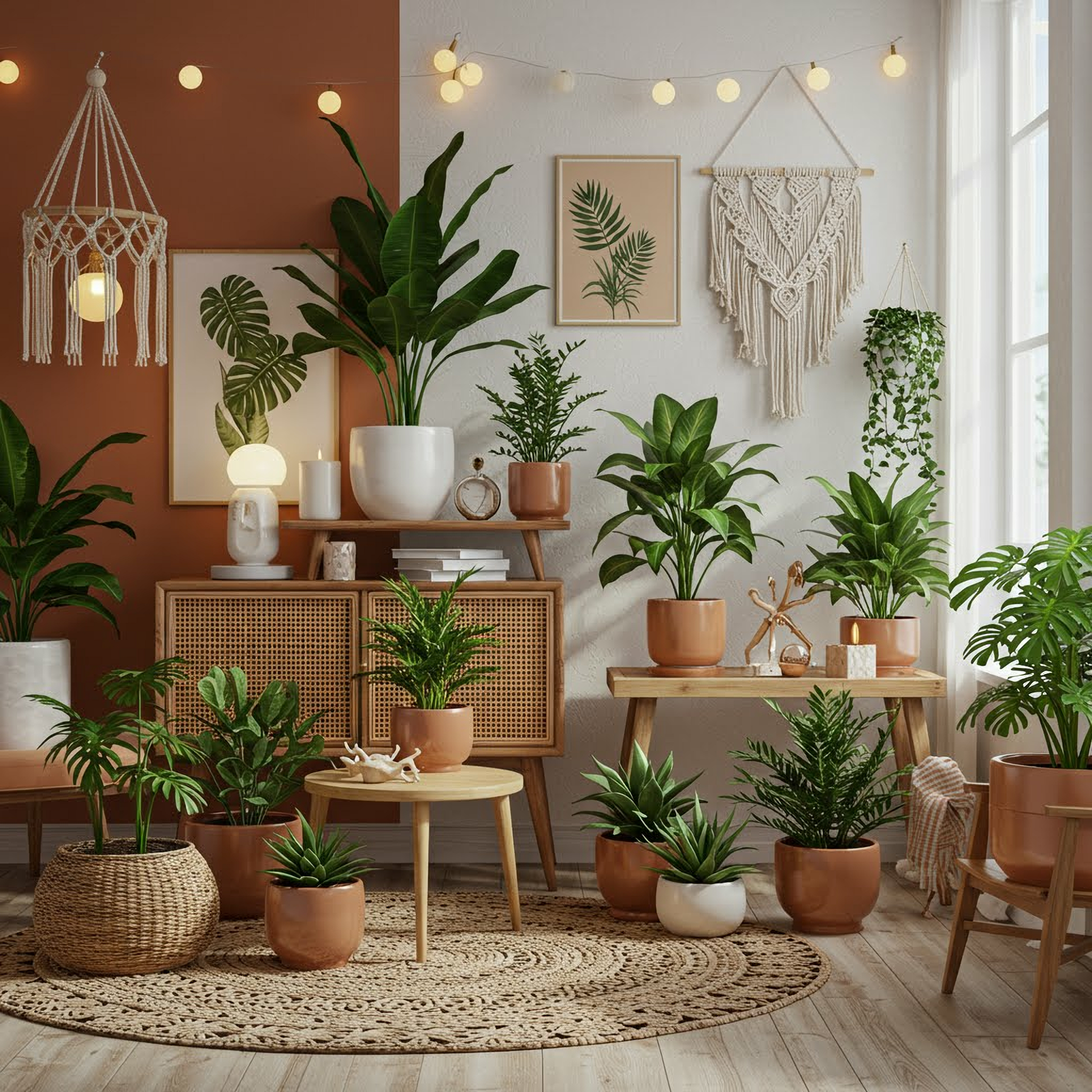
Buy Alocasia Plants: Transform Your Home into a Tropical Oasis
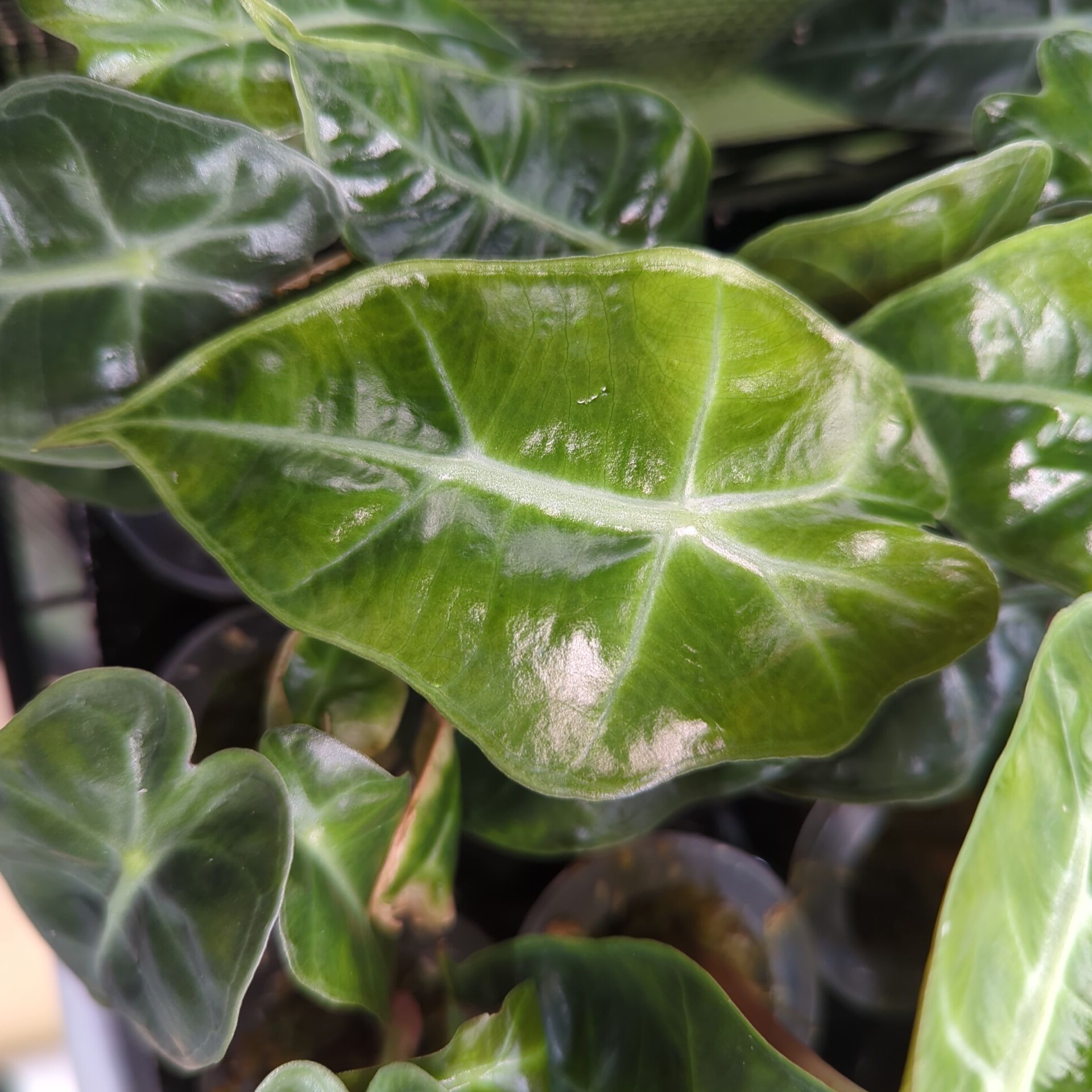
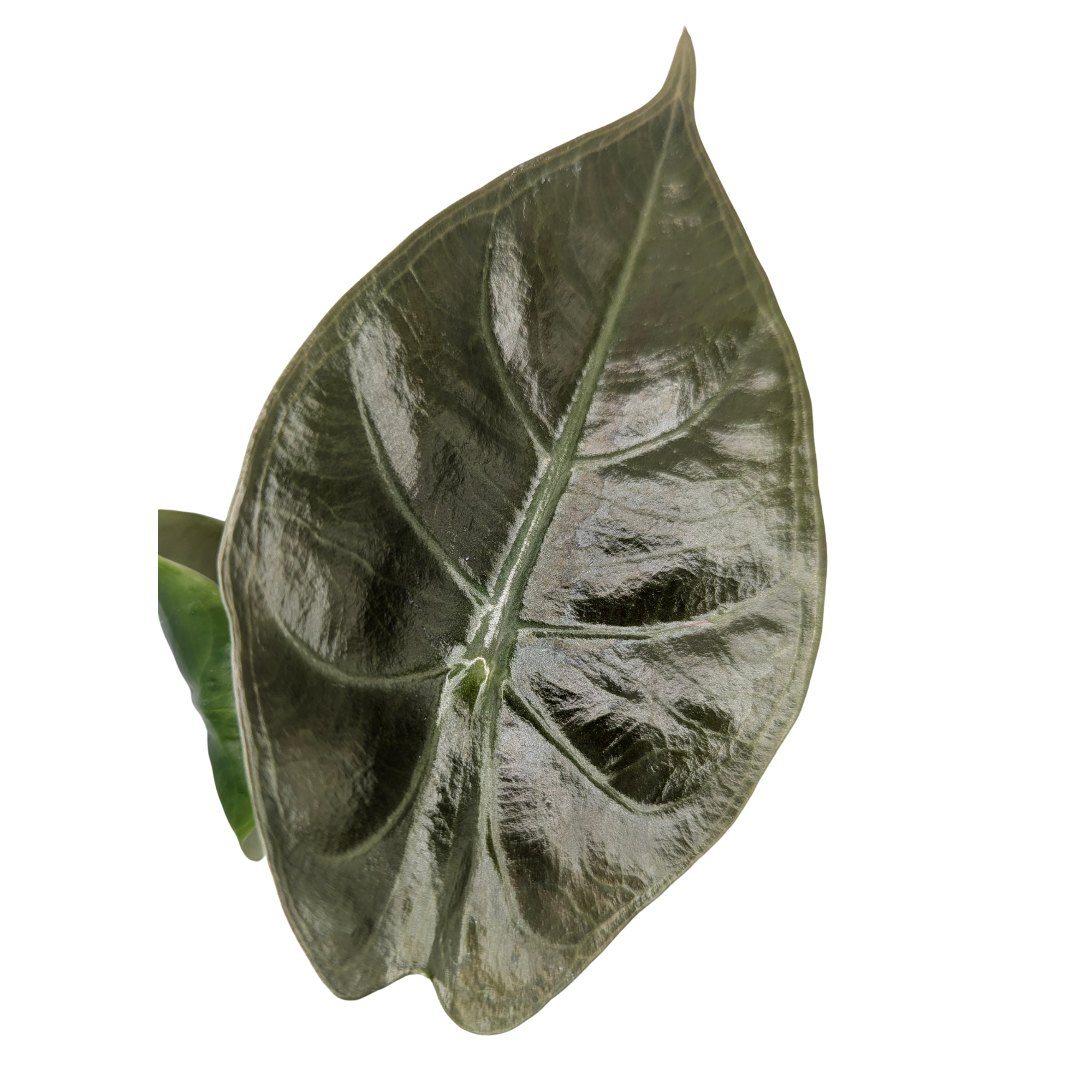
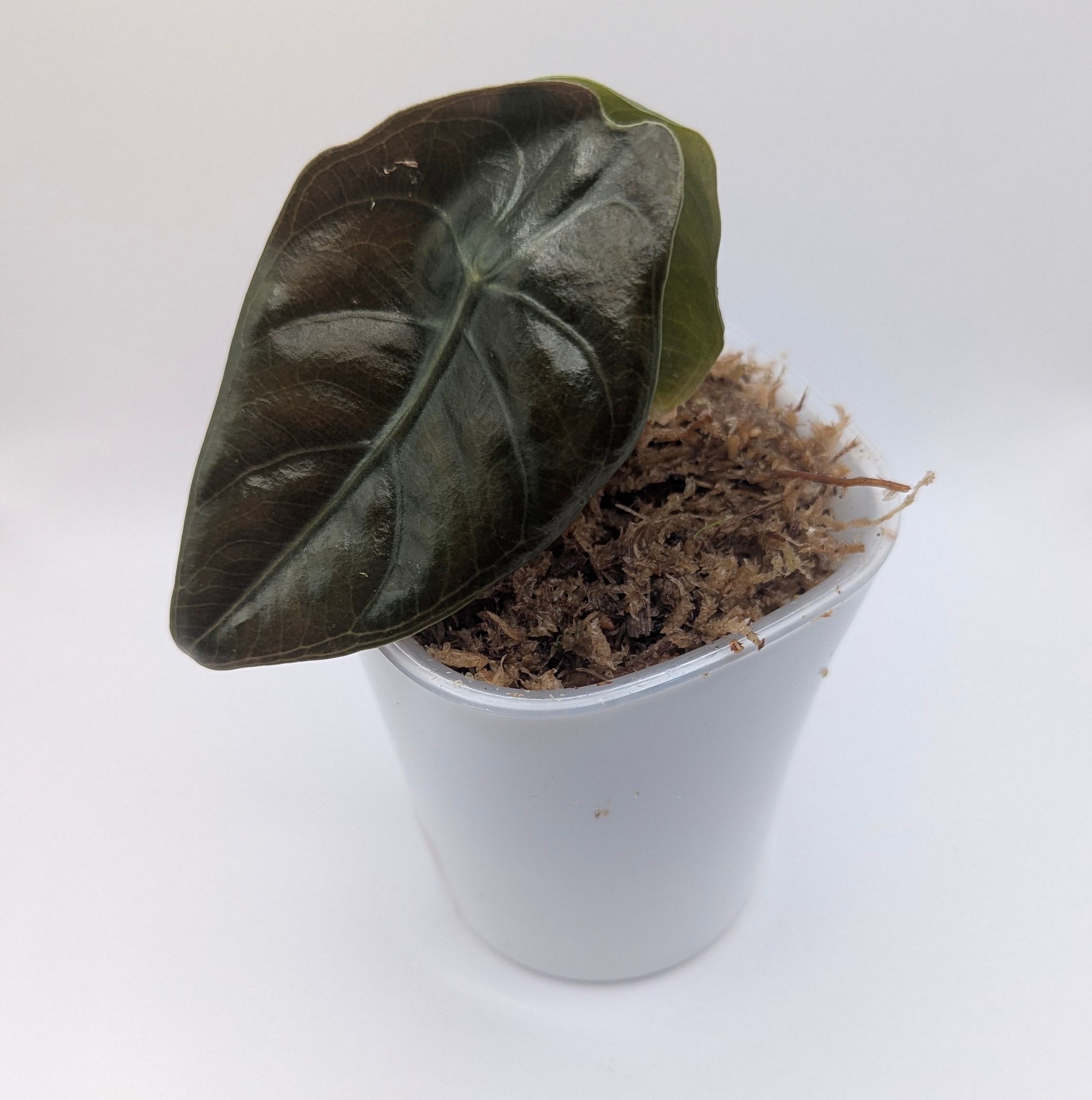
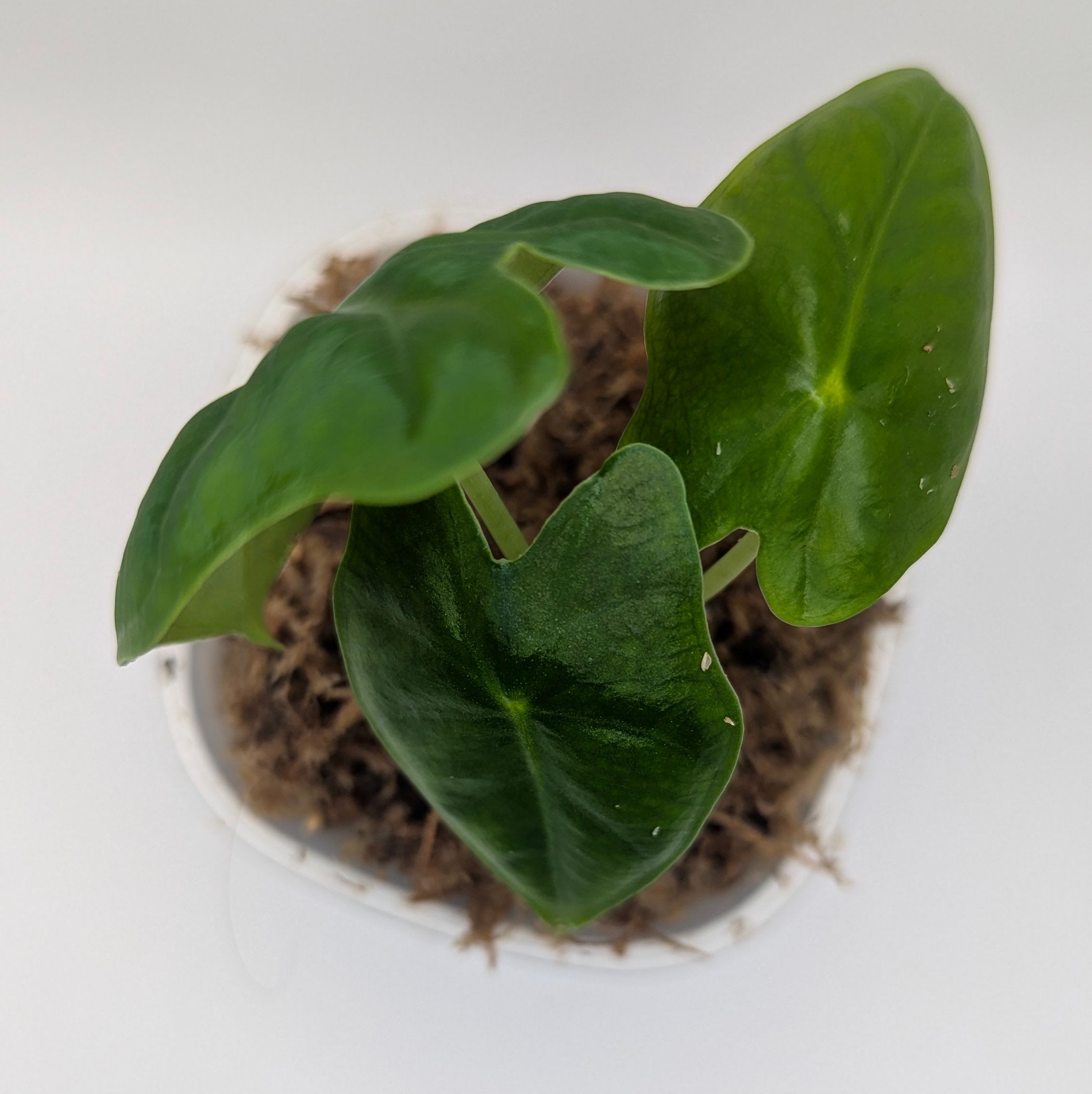
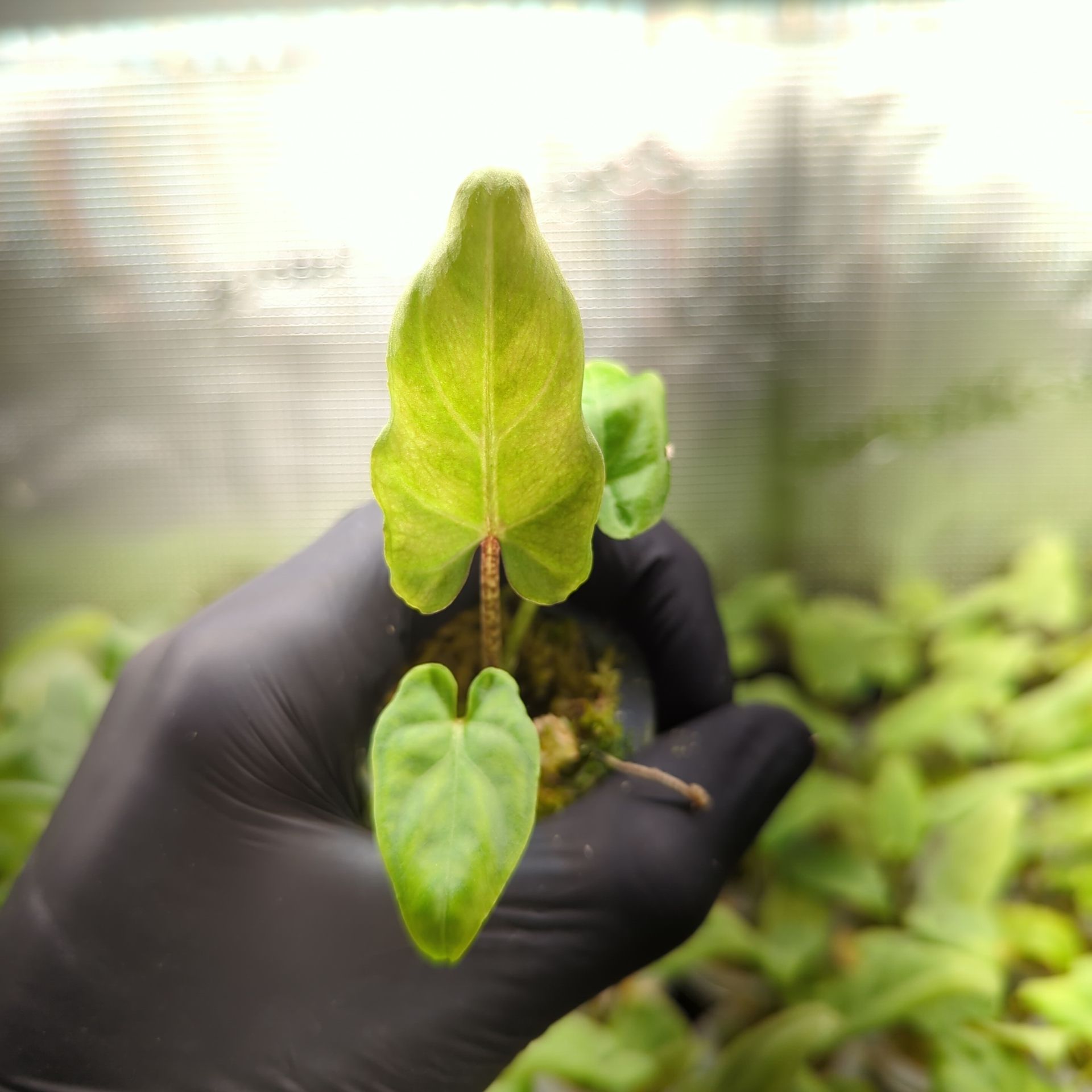
Imagine stepping into a room and being greeted by a living sculpture. With their dramatic, arrow-shaped leaves and striking patterns, Alocasias—also known as Elephant Ear plants—are the ultimate statement piece for any interior. If you're looking to buy an Alocasia, you've found the perfect place to select a healthy, beautiful plant that will turn your space into a green sanctuary.
Why Choose an Alocasia from Our Collection?
- Expertly Grown & Selected: Each plant is hand-picked for its vibrant foliage and robust health, grown with care in our own facilities.
- Secure & Sustainable Shipping: Your new Alocasia is packaged in shock-proof, eco-friendly materials. We include complimentary heat packs during cold months to guarantee a safe journey.
- Arrival Guarantee: In the rare event your plant arrives damaged, our dedicated support team is here to make it right. All plants are shipped with the required EU Plant Passport, ensuring full compliance and quality.
Which Alocasia is Right for You? A Quick Guide
With so much variety, choosing can be tough. Here’s a little help to find your perfect match:
- For Ambitious Beginners: If you're new to Alocasias but ready for a rewarding challenge, start with more forgiving varieties like the Alocasia Zebrina or 'Regal Shields'.
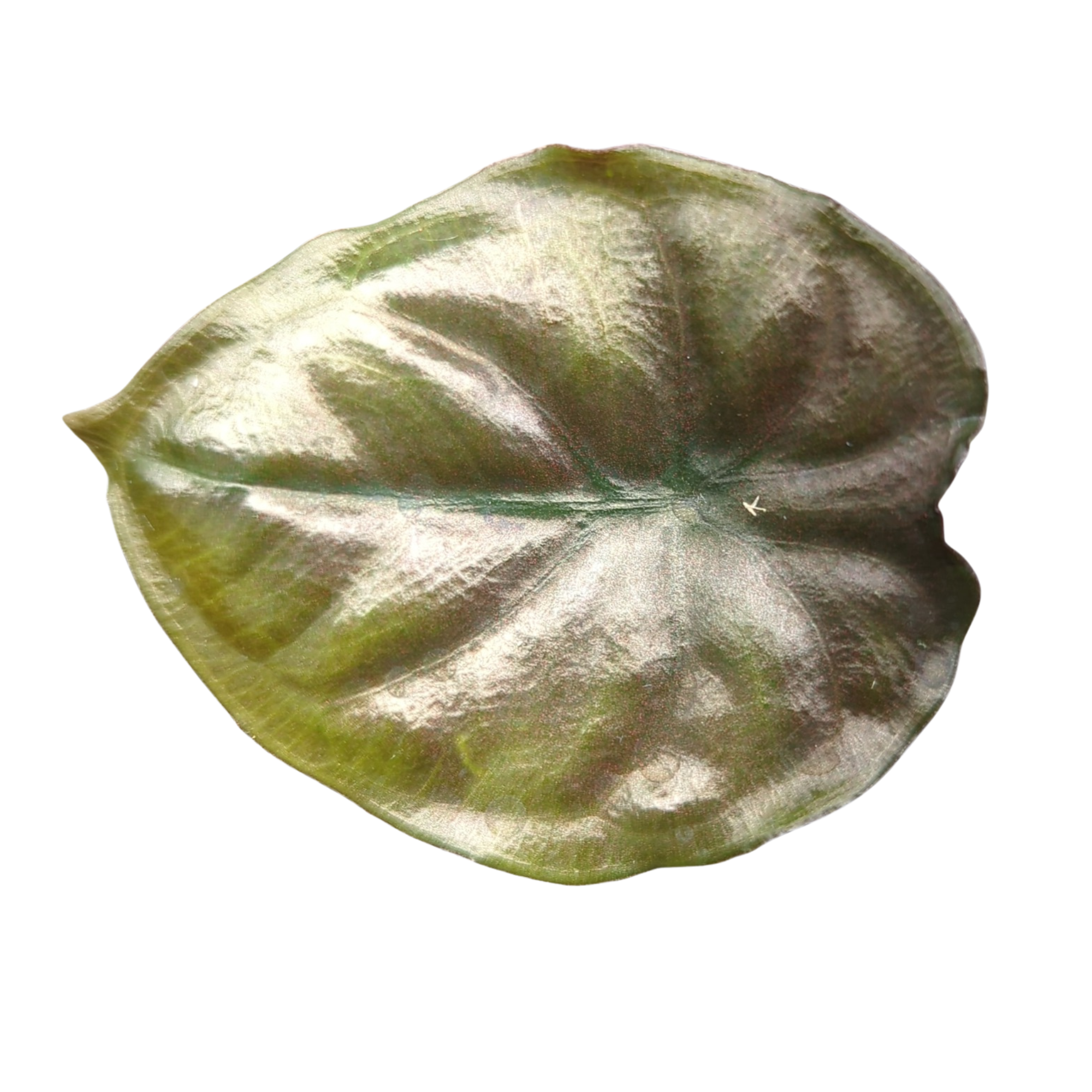
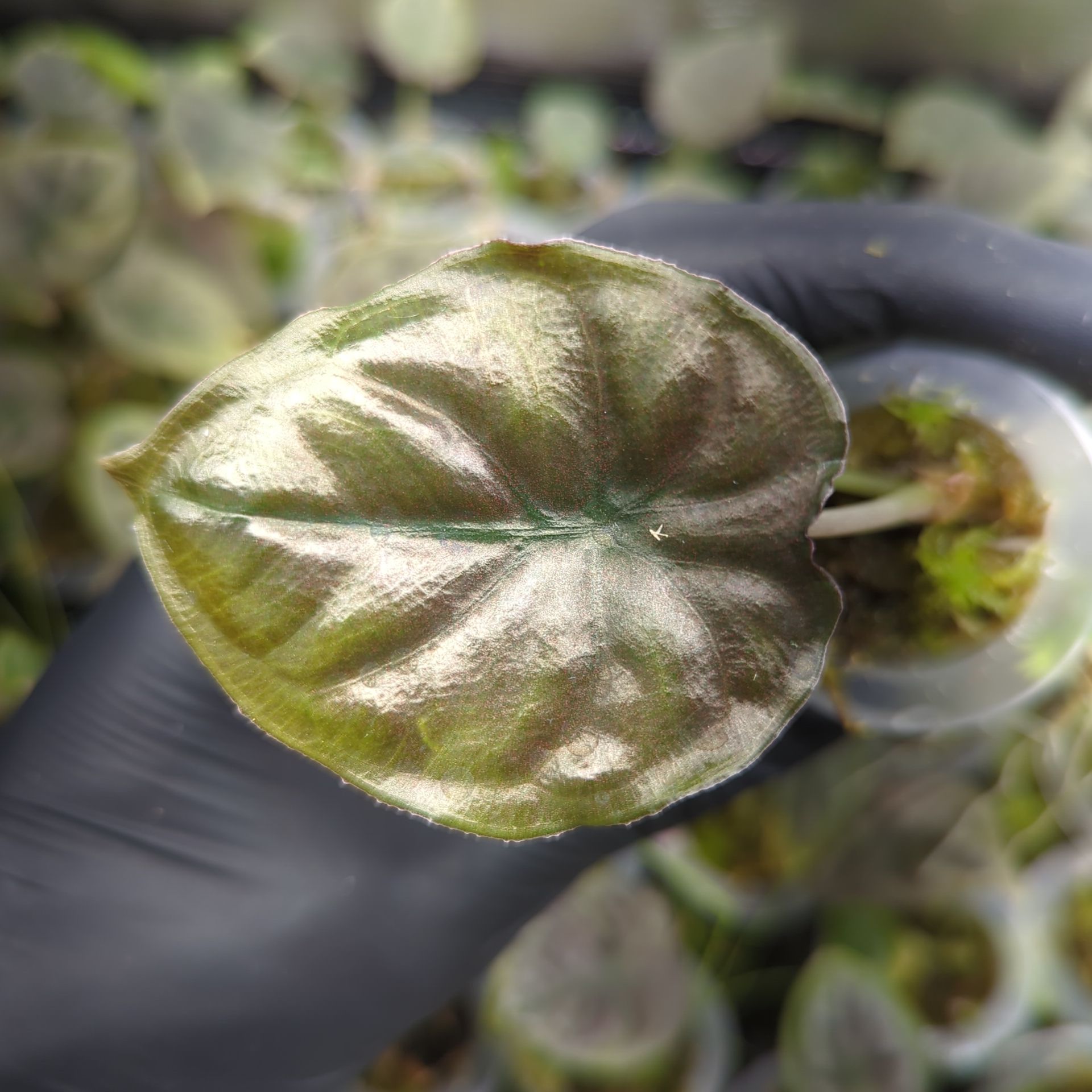
- For Collectors & Connoisseurs: For those who love rare textures, the "Jewel Alocasias" are a must. The Alocasia 'Dragon Scale' and 'Black Velvet' require higher humidity but offer an incredible visual reward.
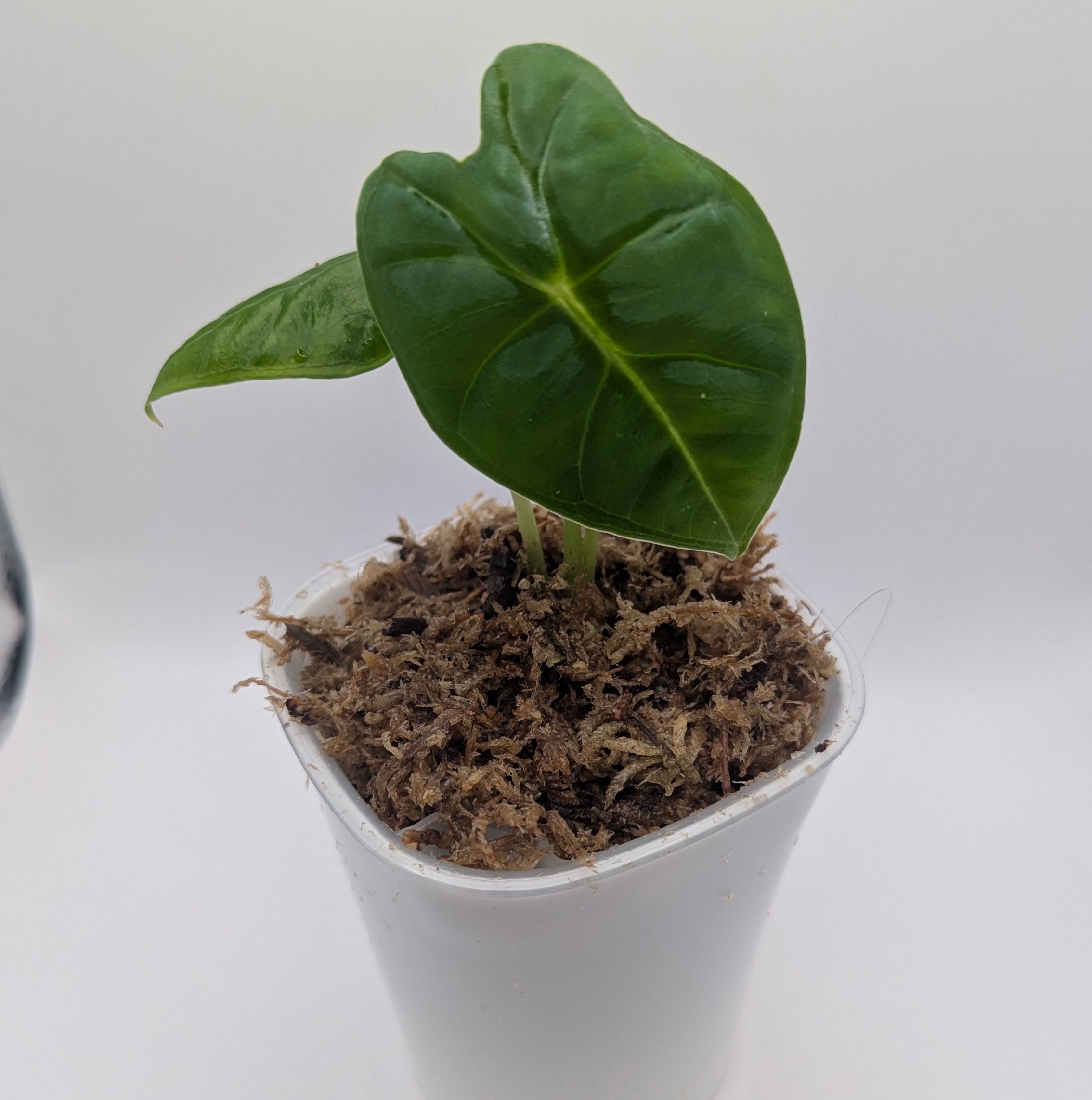
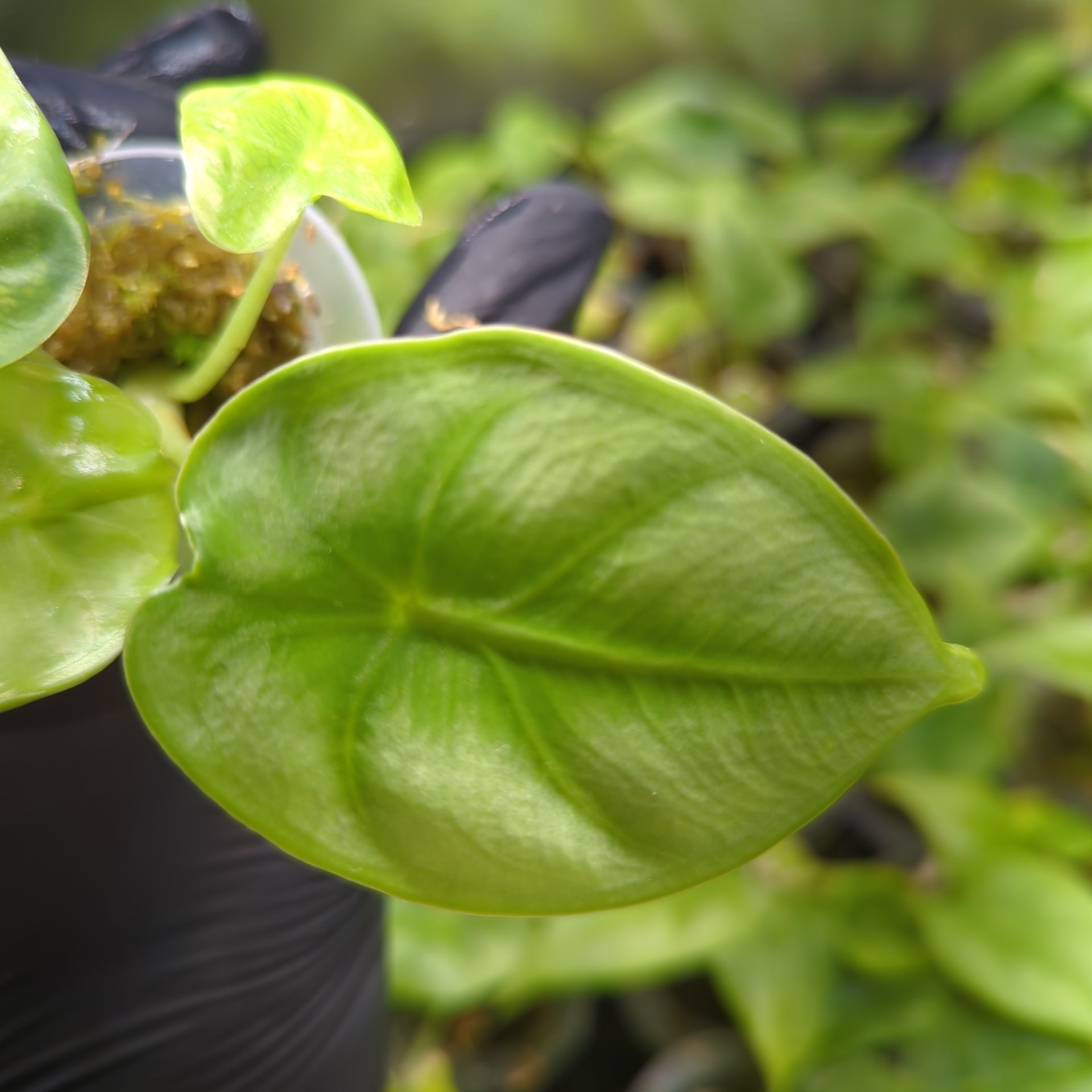
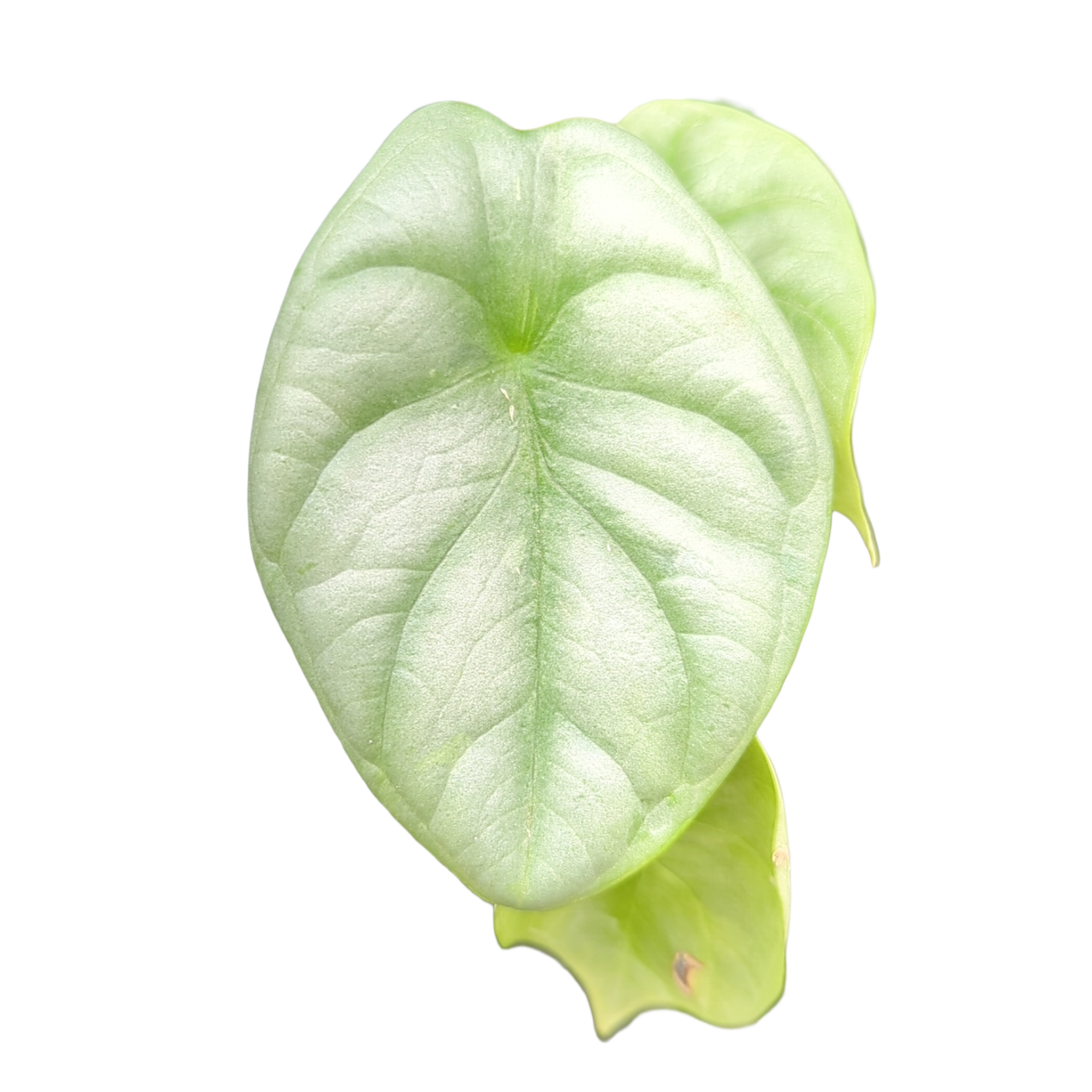
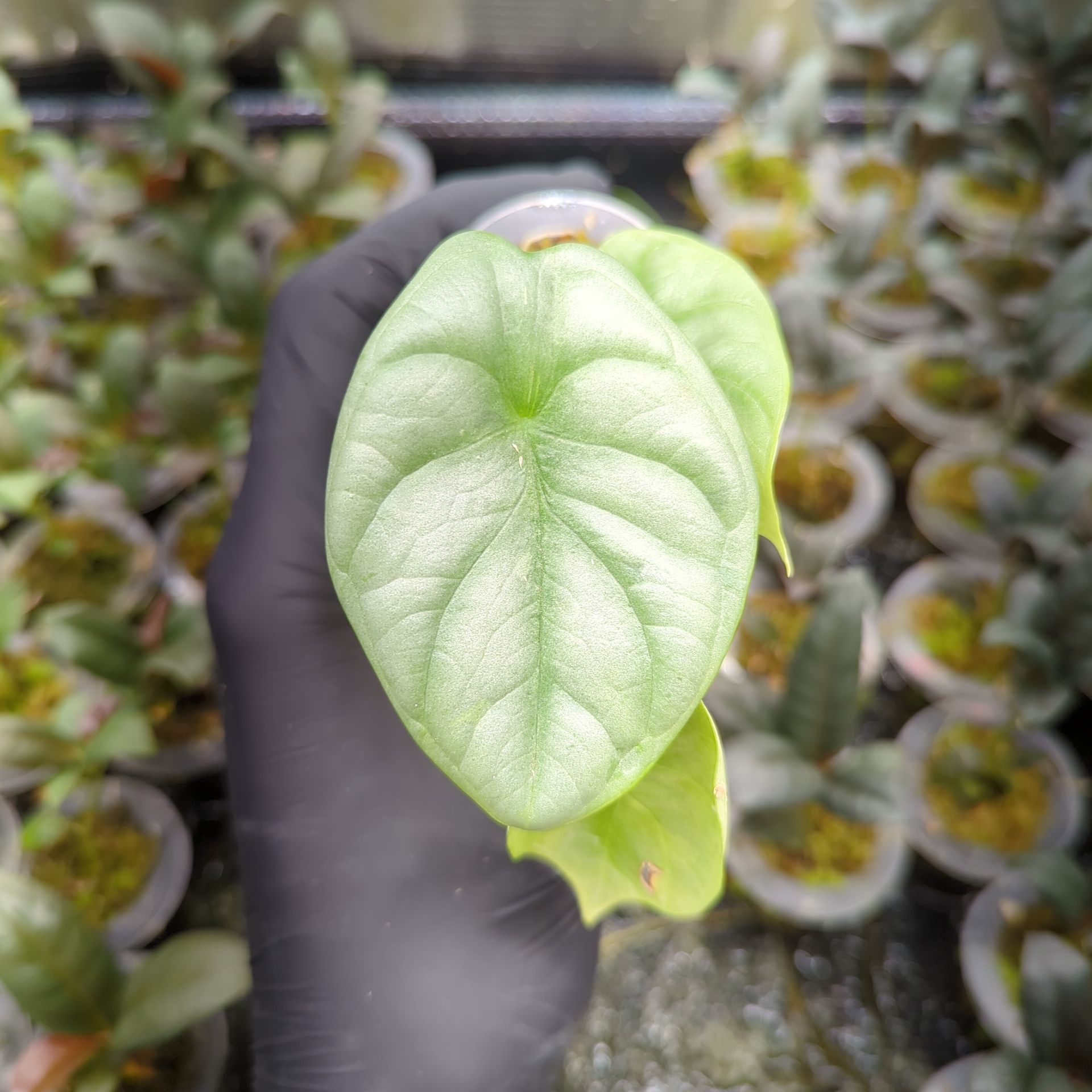
- For Smaller Spaces: Don't have much room? The compact growth of the Alocasia 'Bambino' or 'Silver Dragon' makes them perfect for desks and shelves.
From Dragon Scales to Black Velvet: Discover Our Alocasia Varieties
The world of Alocasias is incredibly diverse. Explore some of our favorites, each with a unique personality:
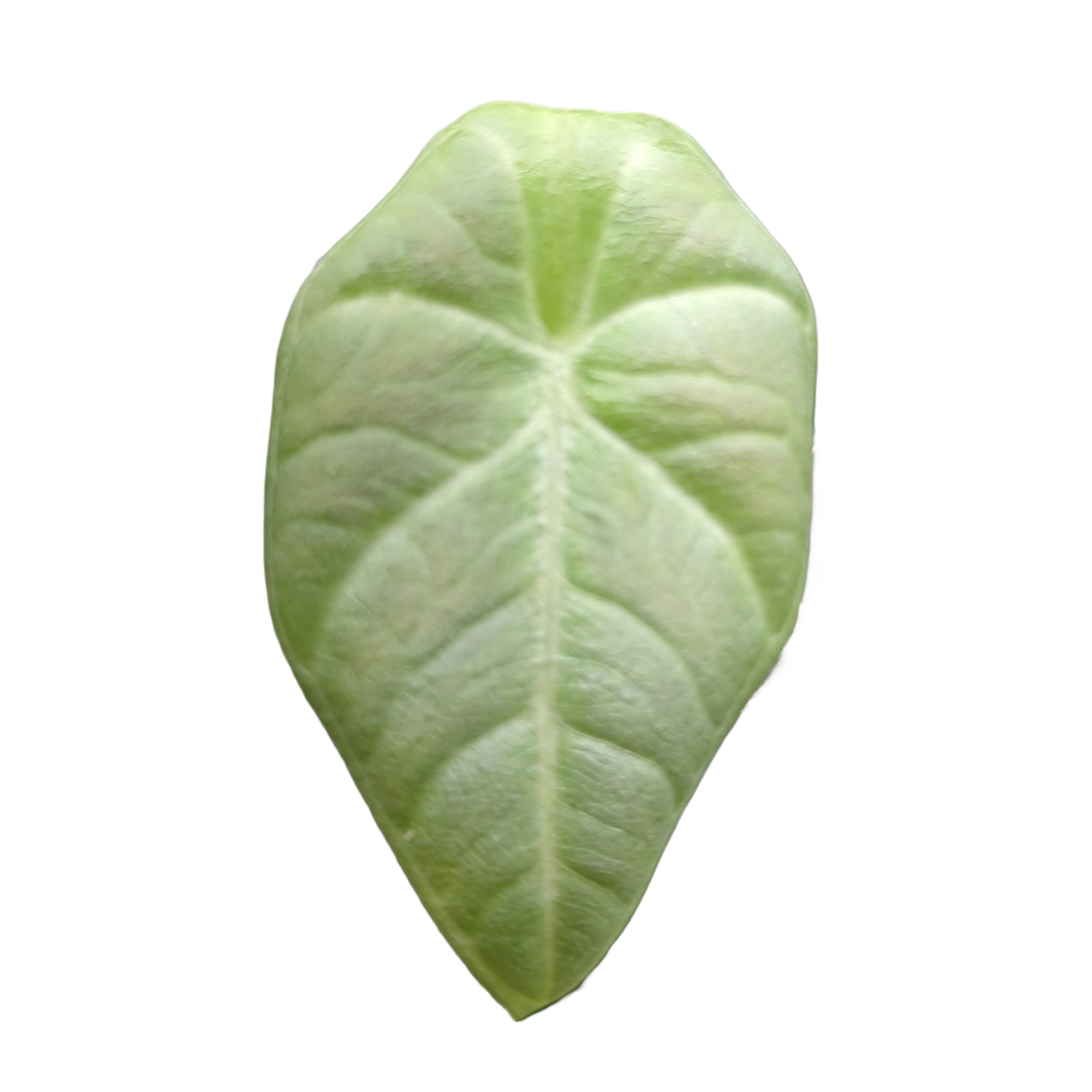
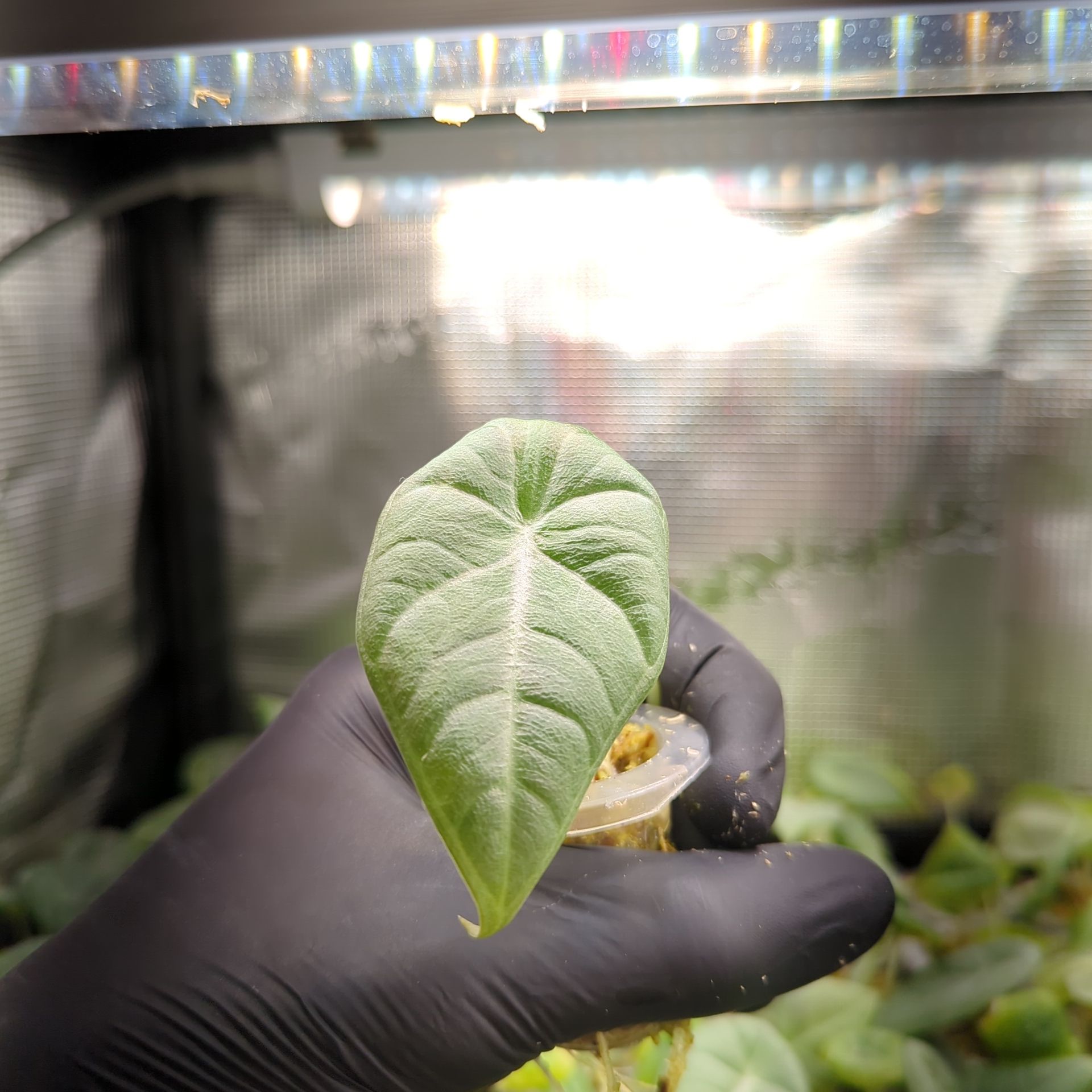
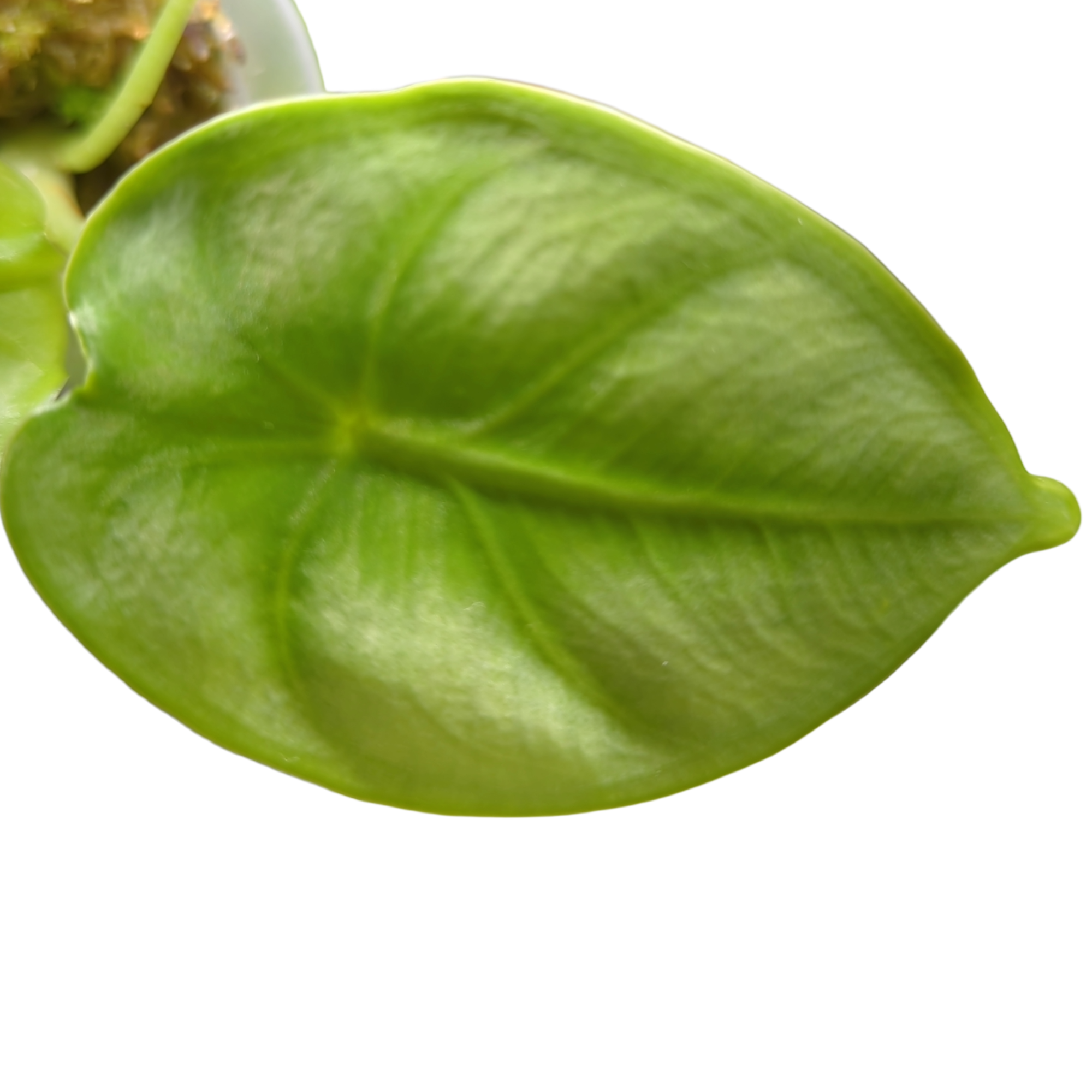
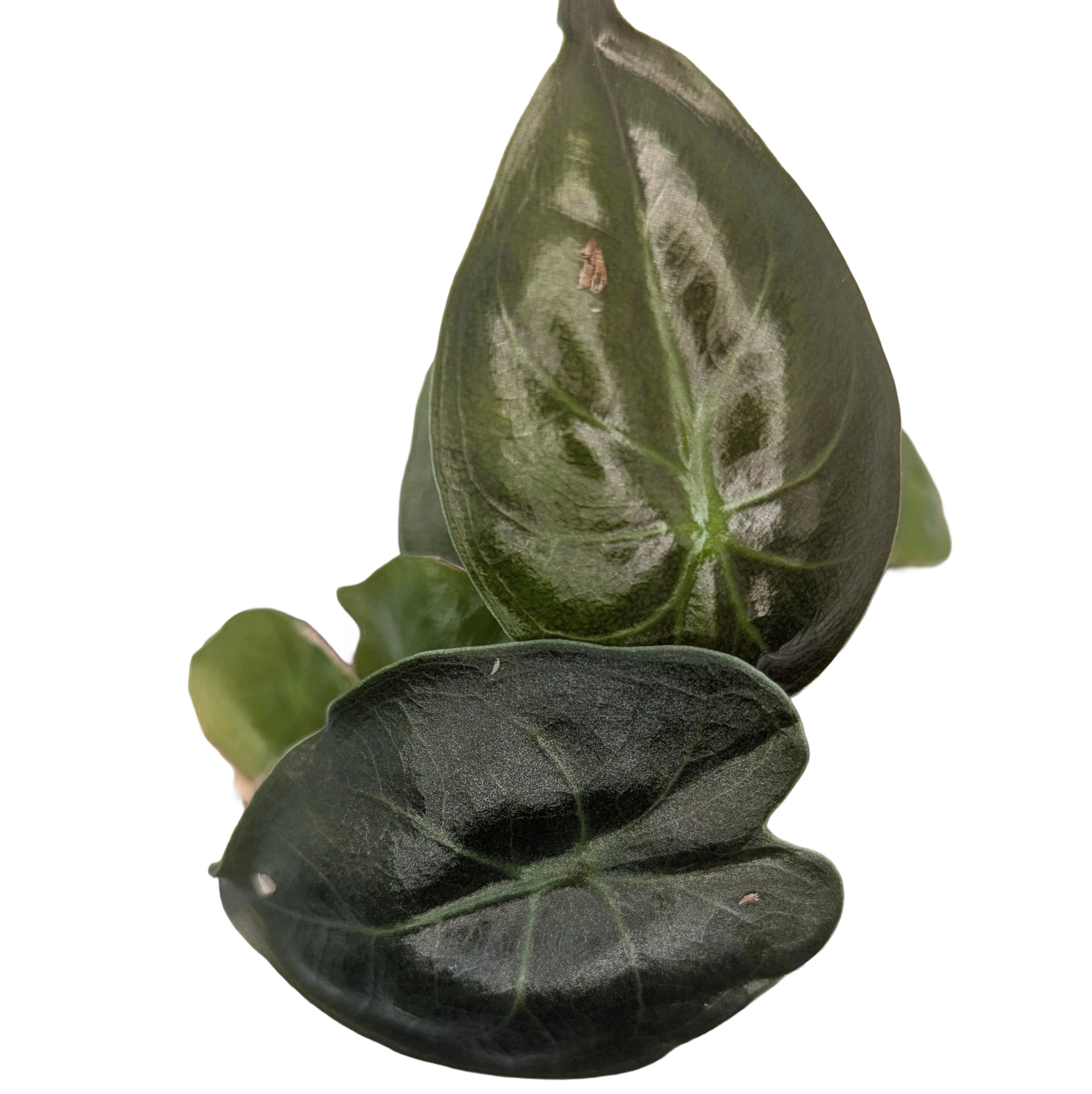
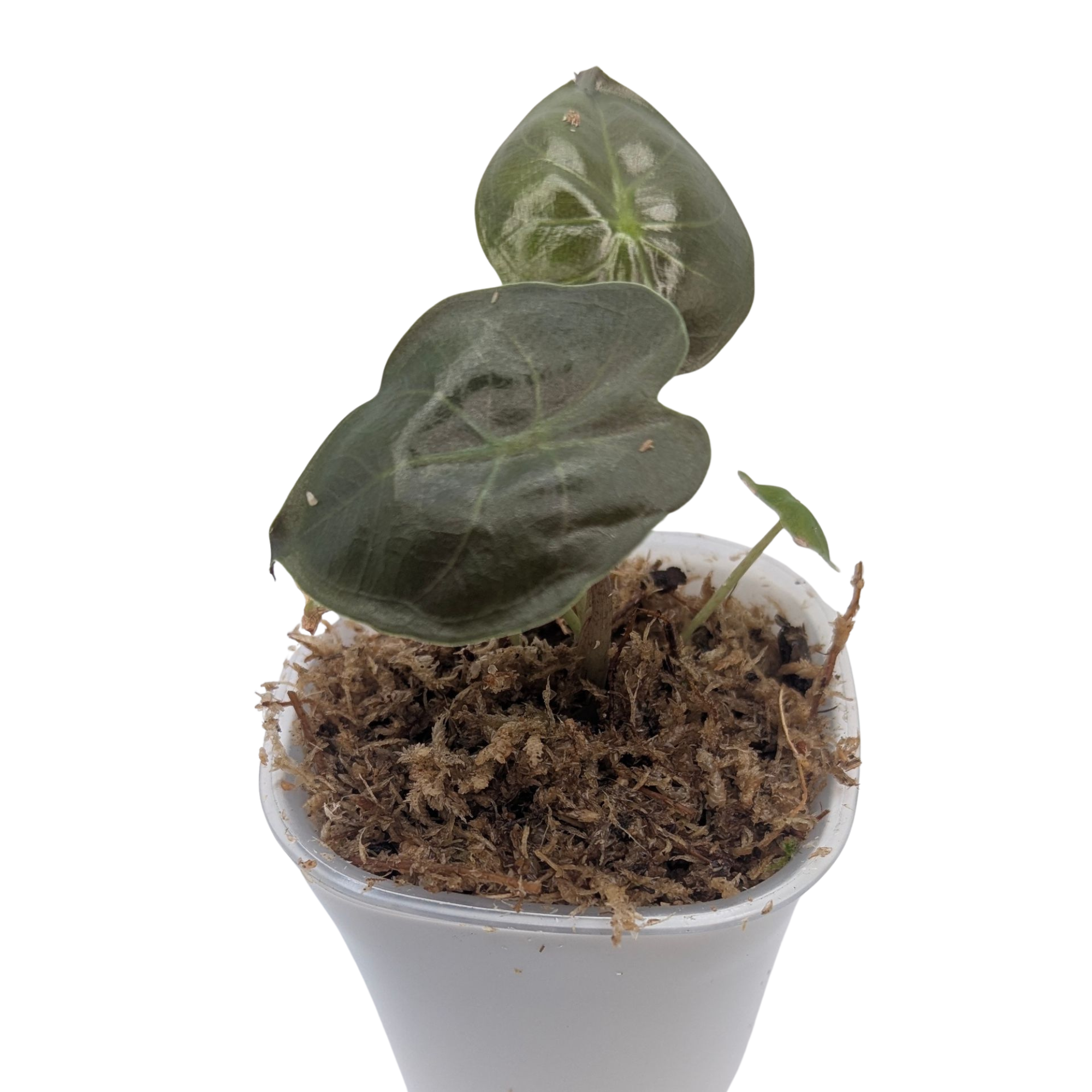
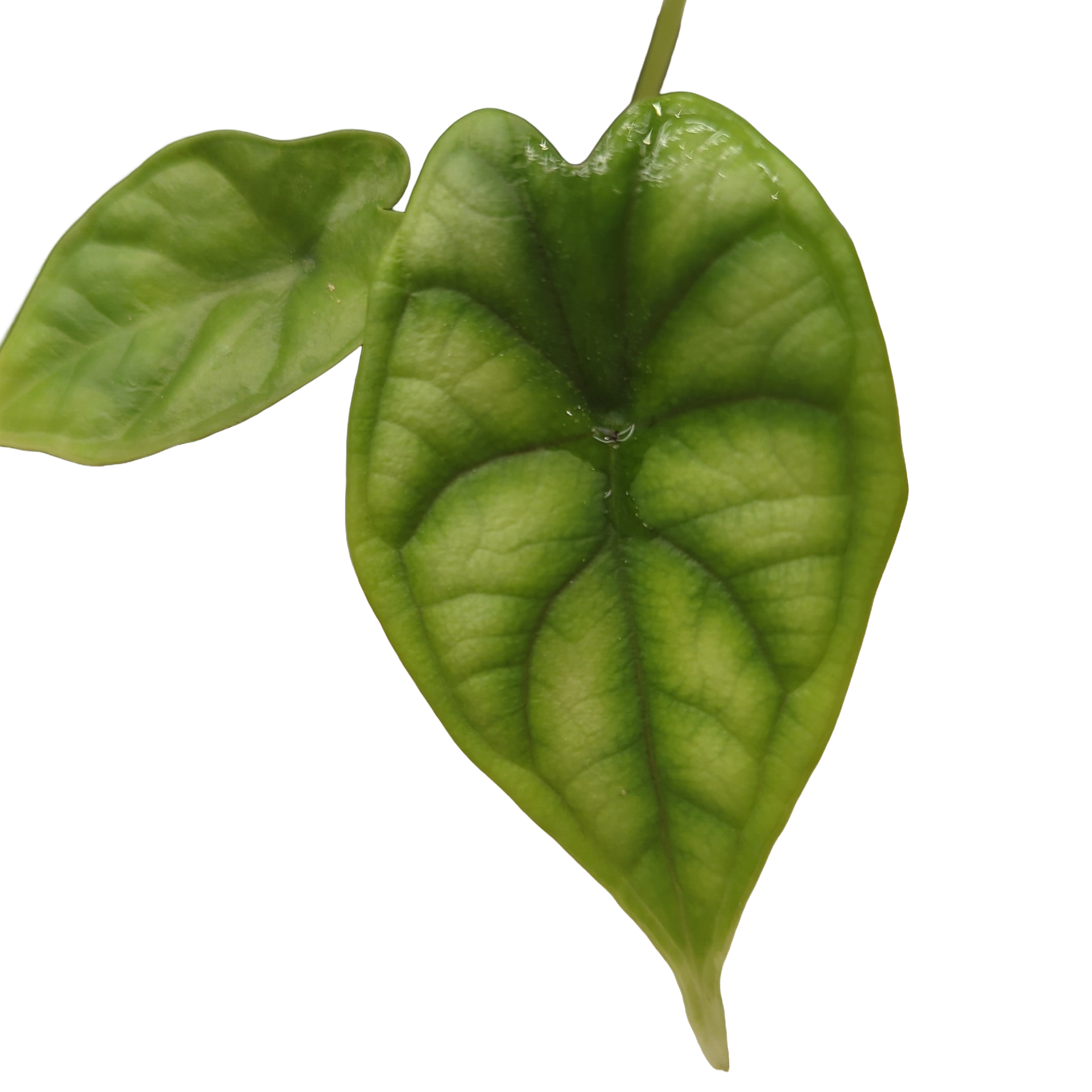
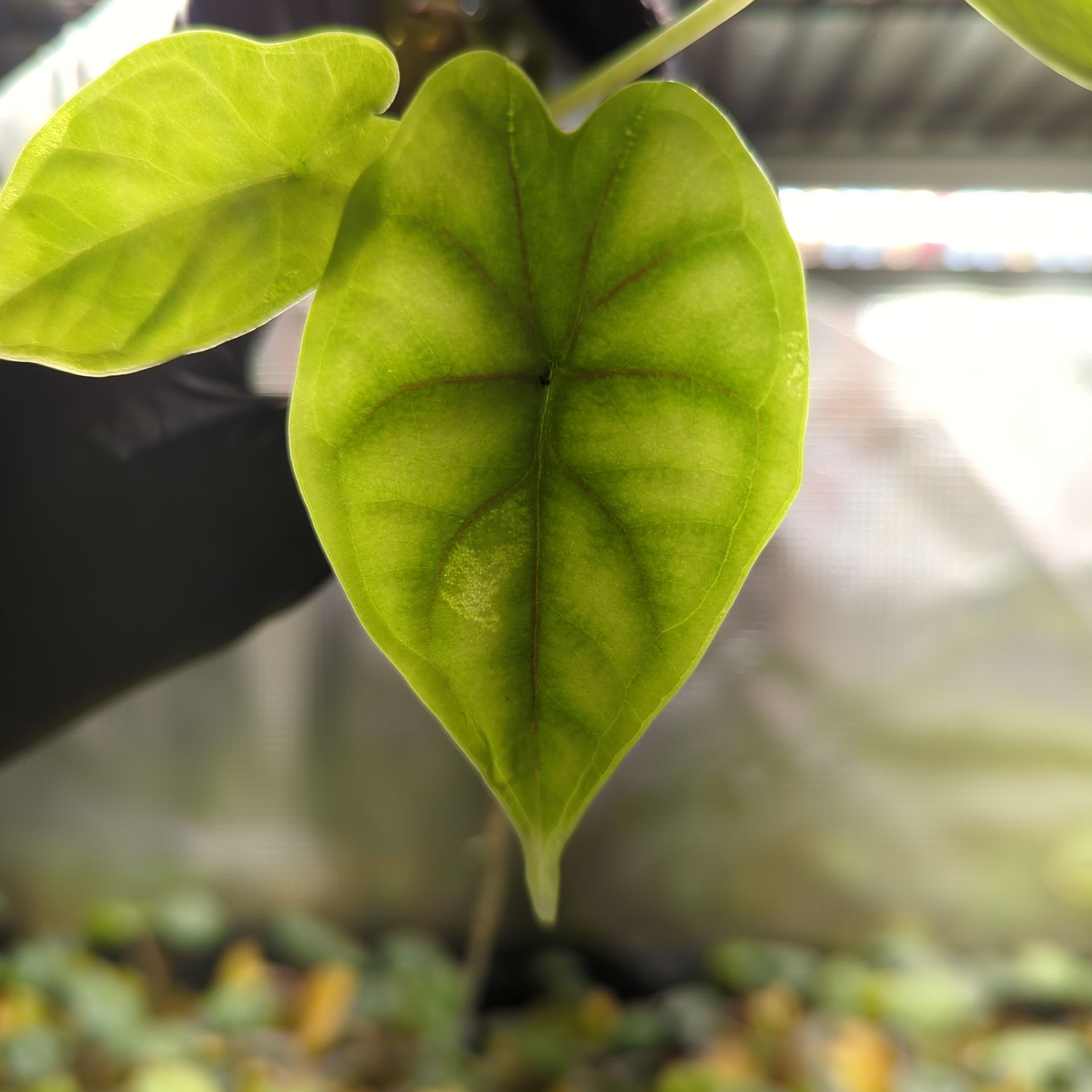
- The Collector's Choice: The Alocasia baginda 'Dragon Scale' and 'Silver Dragon' captivate with textured leaves that resemble mythical scales. A true centerpiece for any collection.
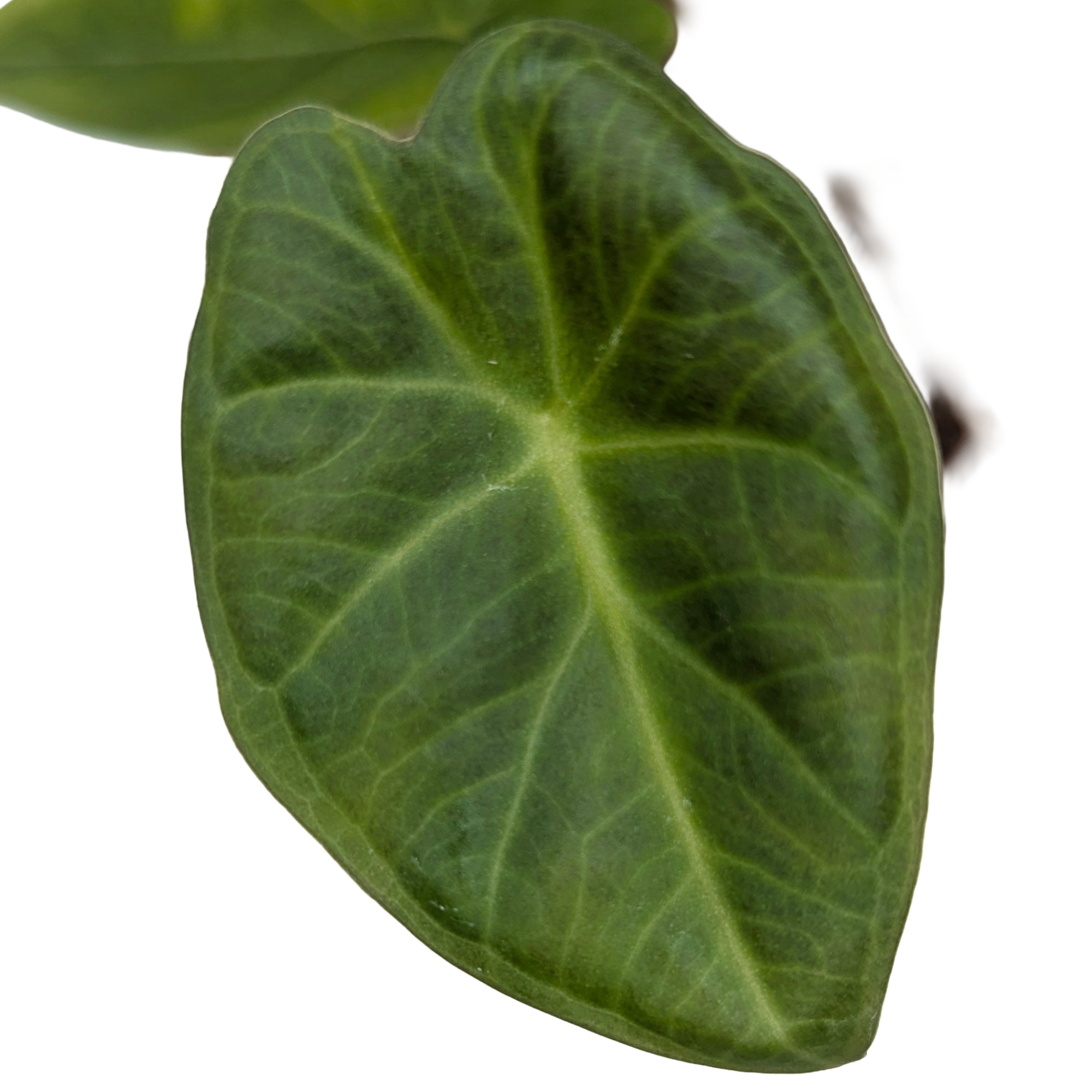
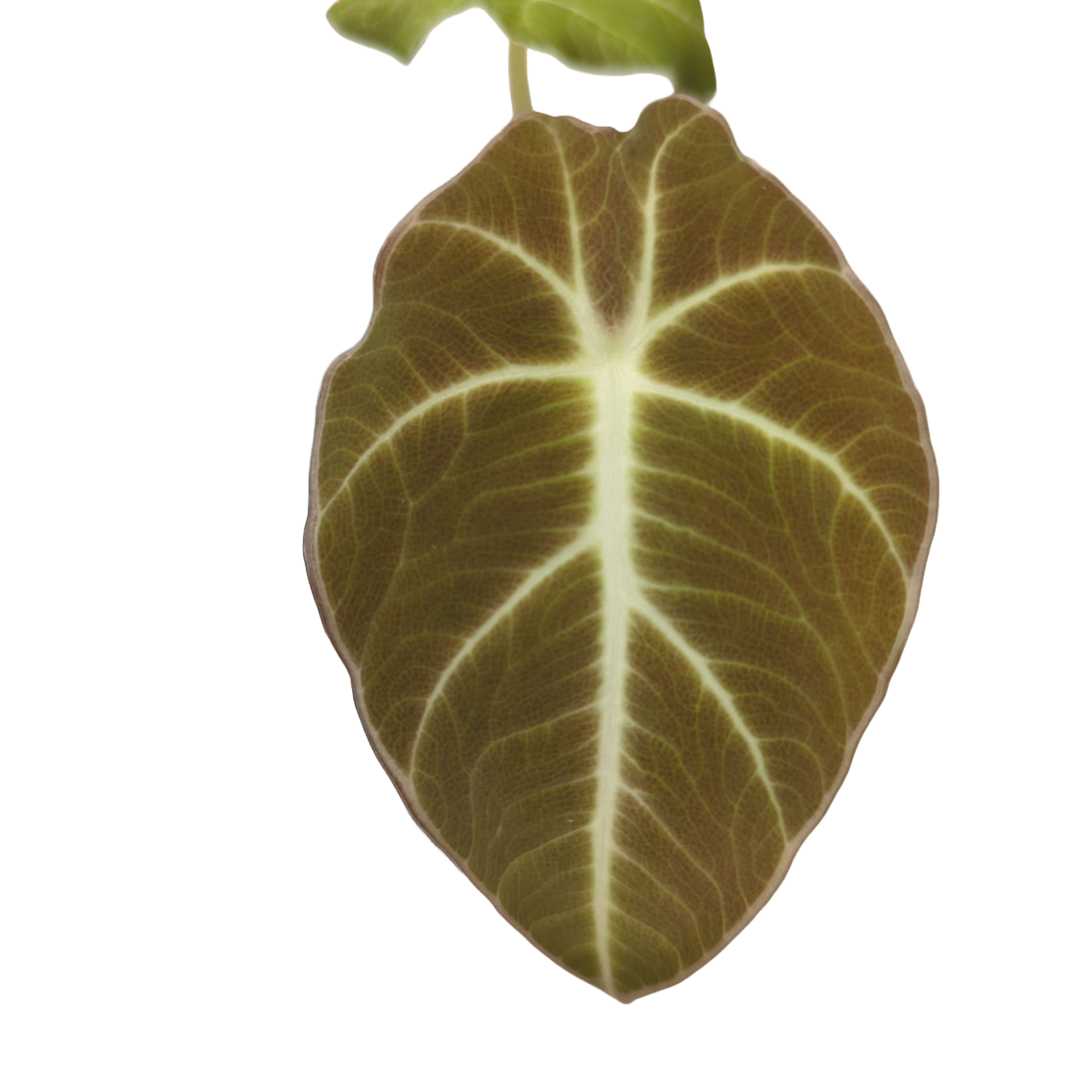
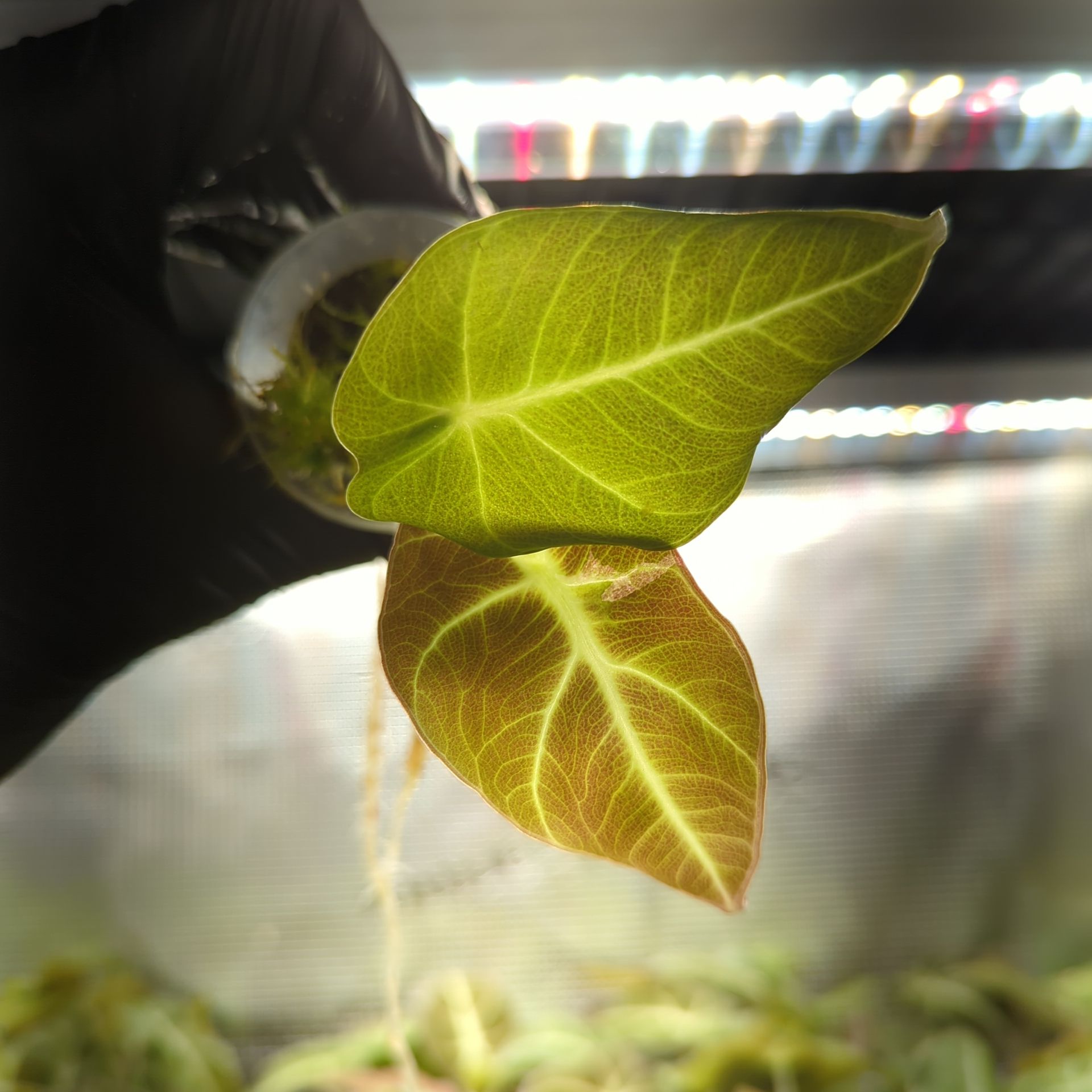
- The Elegant Minimalist: With its deep, dark leaves and contrasting white veins, the Alocasia reginula 'Black Velvet' is the epitome of sophisticated, living art.
- The Trendsetter: The sought-after Alocasia 'Jacklyn' features deeply lobed, skeletal leaves, making it a stunning focal point in modern decor.
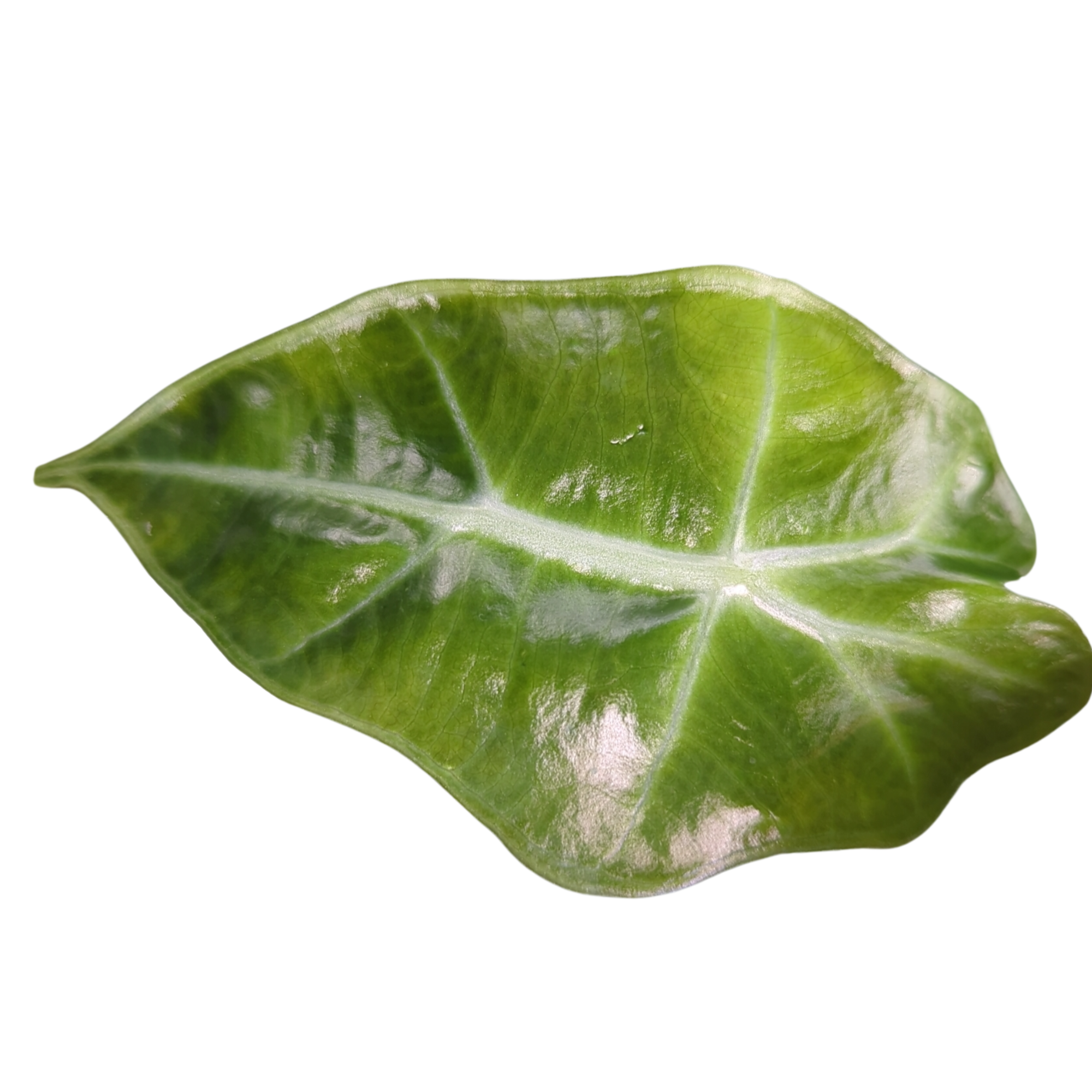
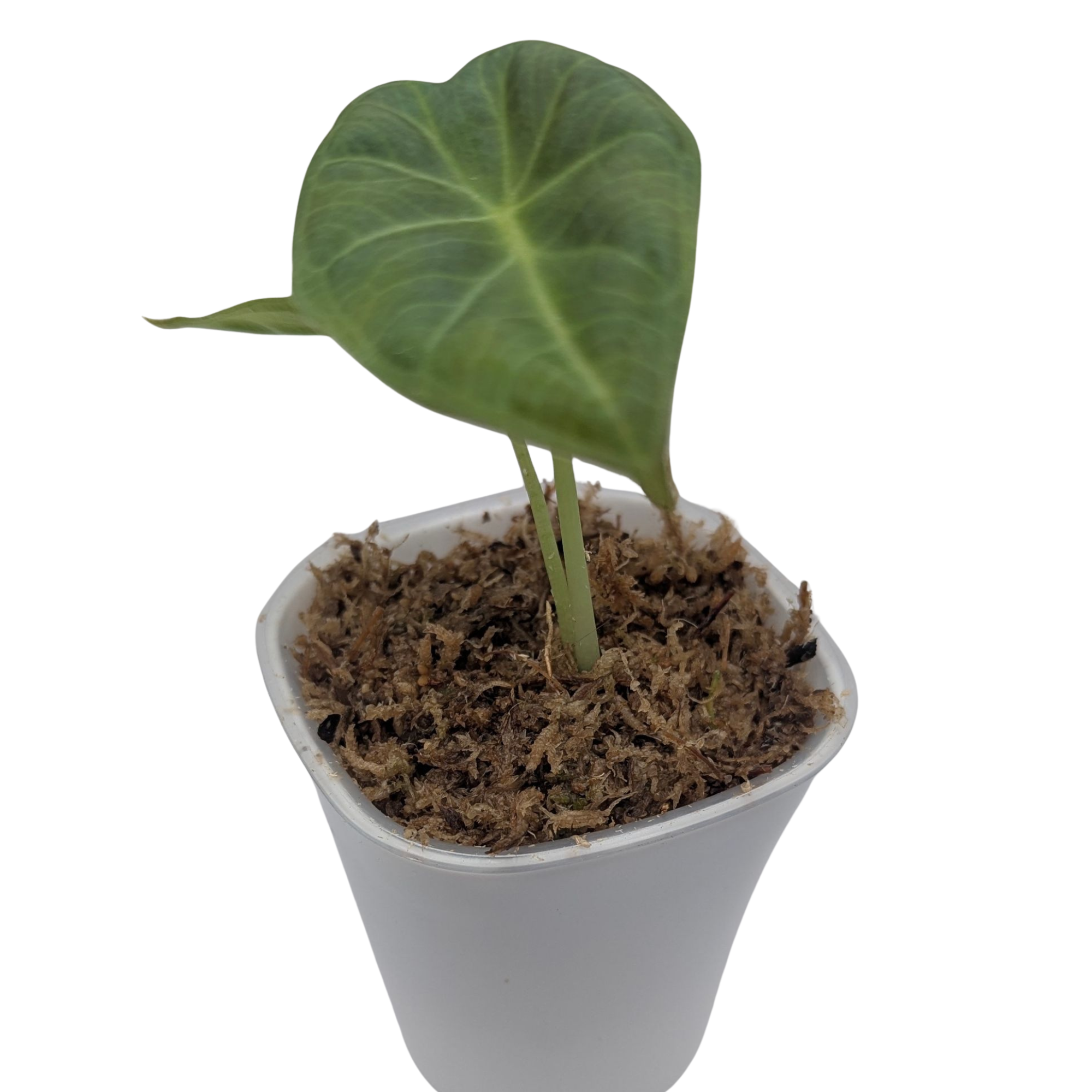
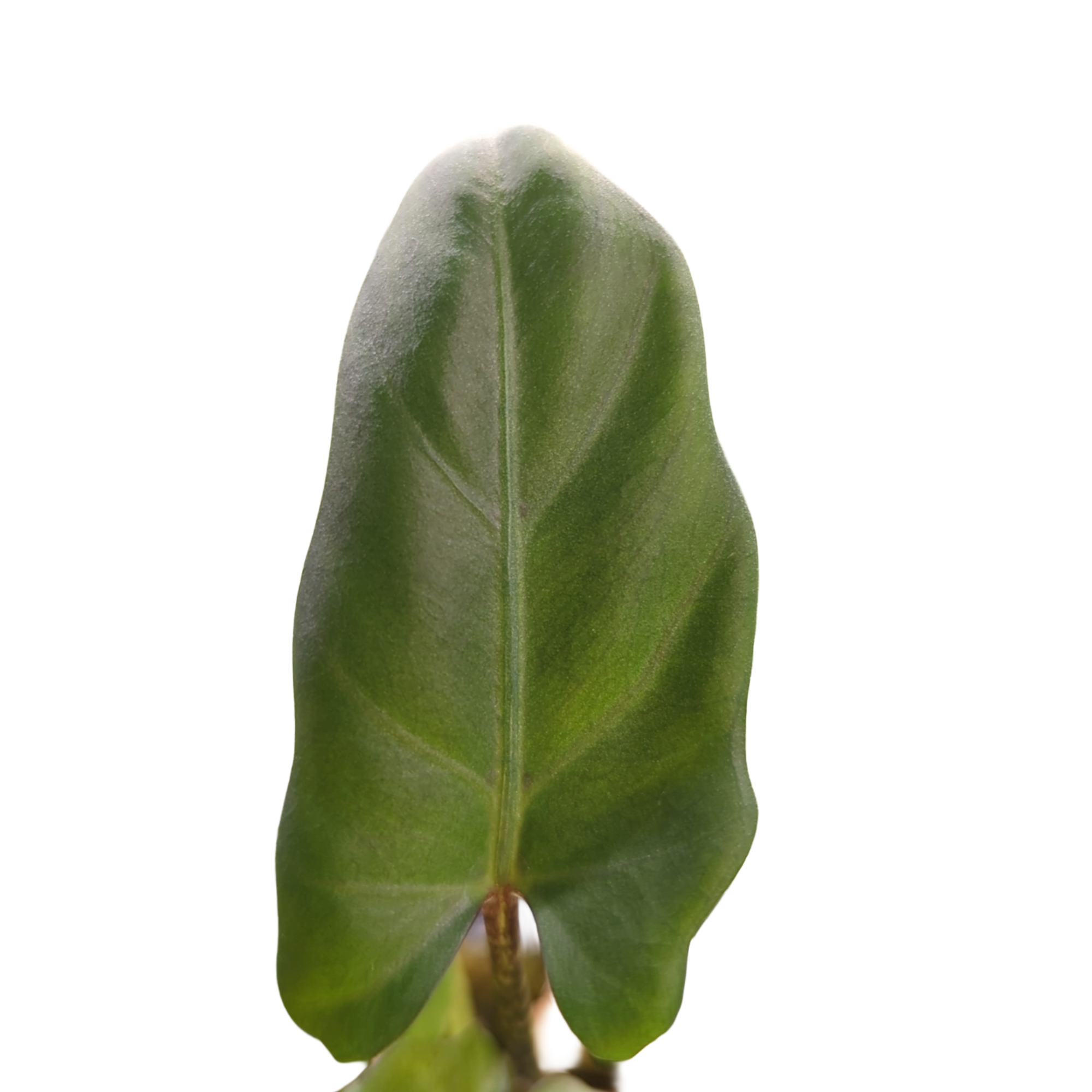
- The Bold Decorator: Discover the velvety, arrow-shaped leaves of the Alocasia micholitziana 'Frydek' or the majestic presence of the 'Regal Shields'.
Understanding Your Alocasia: A Journey to the Tropics
To truly care for an Alocasia, it helps to know its story. Native to the tropical rainforests of Southeast Asia, these plants thrive on the dappled light and high humidity of the jungle floor. They grow from rhizomes (or corms), which act like underground water storage tanks. This biological feature is key: it makes them resilient to short dry spells but extremely sensitive to overwatering and "wet feet." Understanding their origin is the first step to recreating their ideal environment at home.
The Ultimate Alocasia Care Guide: Expert Tips for Thriving Plants
While stunning, Alocasias have specific needs. Follow these expert tips, and your plant will flourish.
- Light: Provide bright, indirect light. An east- or west-facing window is perfect. Avoid direct midday sun, which can scorch the delicate leaves. Too little light will cause the vibrant colors to fade.
- Watering & Soil: This is the most critical step. Alocasias are prone to root rot. Plant them in a chunky, well-draining soil mix designed for aroids. Water thoroughly only when the top 2-3 cm of soil feels dry. Because their rhizomes store water, soggy soil is their biggest enemy. Always discard excess water from the saucer.
- Humidity: As tropical natives, Alocasias crave high humidity (60%+). Boost moisture by misting regularly with filtered water, placing the pot on a pebble tray, grouping plants together, or using a humidifier—the most effective method.
- Fertilizing: Feed your Alocasia every 2-3 weeks during the active growing season (spring and summer) with a balanced liquid fertilizer diluted to half-strength. Reduce feeding in the autumn.
Important: The Alocasia's Winter Dormancy
Don't panic if your Alocasia slows down or even loses a few leaves in the winter! This is a natural process called dormancy. As light levels decrease, the plant conserves energy. During this time, drastically reduce watering—the soil will take much longer to dry out. Stop fertilizing completely. Growth will resume in the spring as the days get longer.
Troubleshooting Common Issues
- Yellowing Leaves: This is most often caused by overwatering. Check the soil moisture and allow it to dry out more between waterings. Note: It's also normal for an Alocasia to shed its oldest, lowest leaf as it pushes out new growth.
- Drooping Leaves: This can be a sign of both under- and overwatering. Check the soil first! It can also indicate a need for higher humidity.
- Pests: Dry air makes Alocasias susceptible to spider mites. Regularly inspect the undersides of leaves and wipe them down with a damp cloth to keep pests at bay.
Get the Perfect Setup for Your Alocasia
Give your new plant the best start with the right accessories. A proper setup prevents the most common care mistakes and ensures vigorous growth.
- Our Aroid Potting Mix: The foundation for healthy roots. Our chunky, well-aerated mix provides the perfect balance of moisture retention and drainage that Alocasias need to thrive.
- Self-Watering Pots: Take the guesswork out of watering. These pots provide a consistent supply of moisture without waterlogging the roots, preventing root rot.
- Humidifier: The single best investment for your tropical plants. A humidifier effortlessly creates the humid jungle environment your Alocasia craves, promoting lush foliage and preventing crispy leaf edges.
Frequently Asked Questions (FAQ) about Alocasia
Is Alocasia an easy houseplant to care for?
Alocasias are best for "ambitious beginners." They require more attention to humidity and watering than some other houseplants but reward dedicated care with stunning growth.
Are Alocasias toxic to pets or children?
Yes, Alocasia plants are toxic if ingested due to calcium oxalate crystals. Keep them out of reach of curious pets and children.
How do I propagate my Alocasia?
The easiest way is to separate the small "corms" or pups that grow from the mother plant's rhizome during repotting. Plant them in their own small pots to grow new plants.
What should I do when my Alocasia arrives?
Unpack it carefully and place it in a spot with appropriate indirect light. Allow it to acclimate for a week or two before repotting. It's normal for it to experience minor stress or lose a leaf after shipping.
Delivery time: 1 - 2 days, Shipping with Heatpack
Delivery time: 1 - 2 days, Shipping with Heatpack
Delivery time: 1 - 2 days, Shipping with Heatpack
Delivery time: 1 - 2 days, Shipping with Heatpack
Delivery time: 1 - 2 days, Shipping with Heatpack
Delivery time: 1 - 2 days, Shipping with Heatpack
Delivery time: 1 - 2 days, Shipping with Heatpack
Delivery time: 1 - 2 days, Shipping with Heatpack
Delivery time: 1 - 2 days, Shipping with Heatpack
Delivery time: 1 - 2 days, Shipping with Heatpack
Delivery time: 1 - 2 days, Shipping with Heatpack
Delivery time: 1 - 2 days, Shipping with Heatpack