
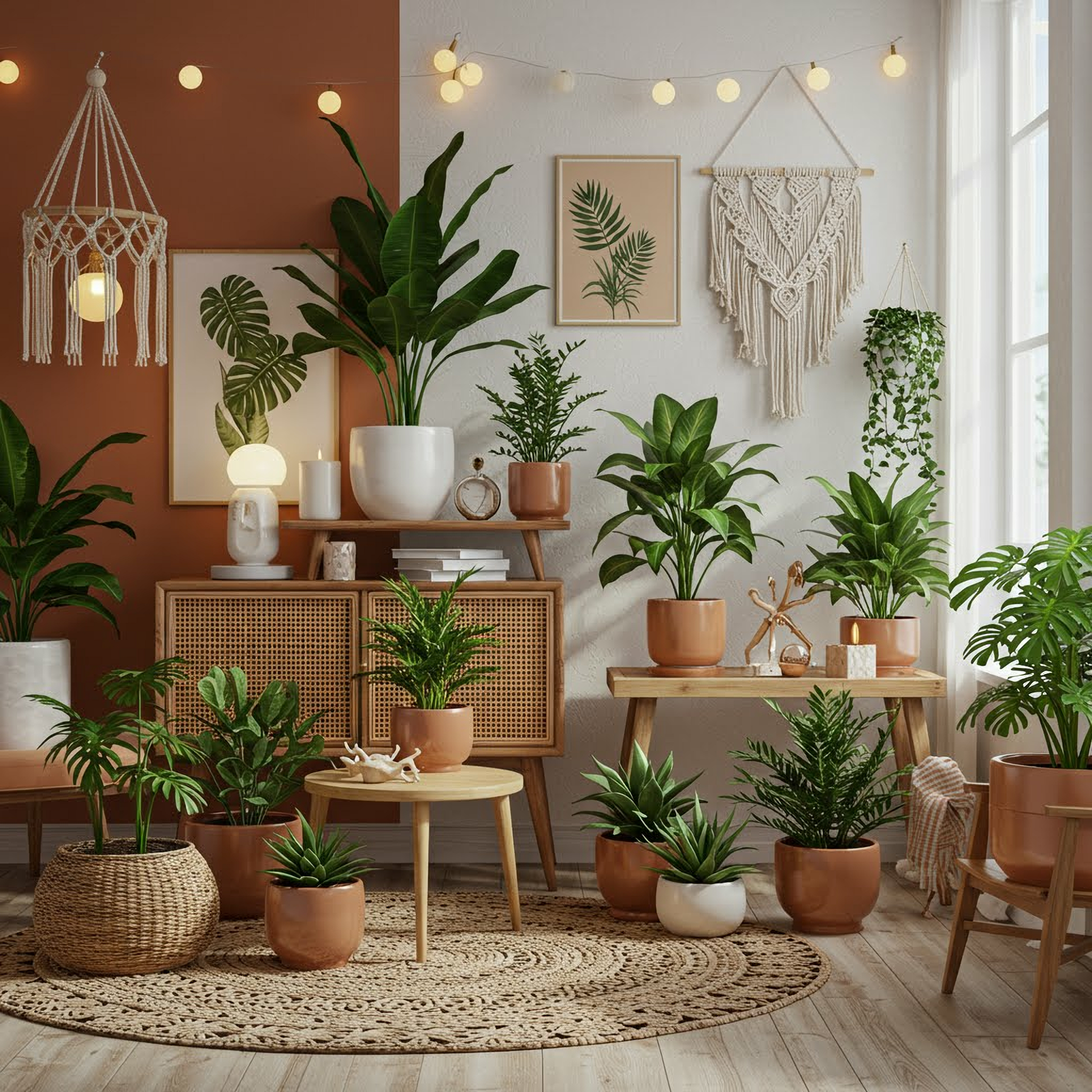
Monstera: The Iconic Swiss Cheese Plant
Transform your home into a lush, tropical paradise with the Monstera, the undisputed queen of houseplants. With its iconic, fenestrated (split) leaves, the Swiss Cheese Plant is more than just a plant—it's a living piece of art that brings energy and style to any room. Watching a new leaf unfurl is a rewarding experience, revealing a unique pattern of splits and holes every time.
Why a Monstera is the Perfect Green Companion
- Iconic Statement Piece: The Monstera's dramatic leaves are a natural masterpiece, instantly recognizable and featured in design magazines worldwide.
- Rewarding Growth: This plant loves to grow! With the right care, it will reward you with impressive size and a steady stream of new, ever-larger leaves.
- Perfect for All Levels: The classic Monstera deliciosa is famously robust and forgiving, making it the ideal choice for beginners who want a high-impact plant without the high-maintenance fuss.
Our Plant Promise
When you buy your Monstera from us, you're getting more than just a plant. You're getting our commitment to quality and your plant's success.
- Expert Quality Control: Every Monstera is hand-picked and inspected by our plant experts to ensure it's healthy, vibrant, and pest-free.
- Secure & Safe Shipping: We've perfected our packaging to ensure your plant arrives safely at your door, ready to thrive. We even include optional heat packs for winter shipping.
- Happy Plant Guarantee: In the rare case your plant arrives damaged or unhappy, contact us. Our guarantee means we'll make it right.
Find Your Perfect Monstera Match
The Monstera family is wonderfully diverse. Whether you're starting out or hunting for a rare gem, we have the plant for you:
- Monstera Deliciosa: The timeless classic. Robust, easy to care for, and the quintessential Swiss Cheese Plant. The perfect starting point.
- Monstera Adansonii: The "Swiss Cheese Vine." Features smaller, charmingly perforated leaves and a vining habit perfect for hanging baskets or trailing down a shelf.
- Monstera Deliciosa 'Thai Constellation': The collector's dream. Boasts stunning, stable splashes of creamy-white variegation across its leaves, like a starry night sky.
- Monstera Karsteniana (Peru): A unique variety with firm, textured, leathery leaves, showcasing a different, more structured side of the Monstera family.
Ultimate Monstera Care & Setup Guide
Unlock your Monstera's full potential for huge, split leaves with this essential guide.
Light: The Key to Splits
Place your Monstera in a spot with bright, indirect light. While it can tolerate lower light, more light encourages the development of its signature leaf splits (fenestrations). Avoid direct, harsh sunlight, which can scorch the leaves.
Watering: Less is More
Water thoroughly when the top 2 inches of soil feel dry to the touch. Monsteras hate "wet feet," so ensure your pot has good drainage. It's better to slightly under-water than to over-water.
Support: The Secret to Large Leaves
In nature, Monsteras are climbers. Providing a support, like one of our premium moss poles, encourages the plant to mature and develop larger, more fenestrated leaves. Guide the aerial roots towards the pole; they will latch on and absorb moisture and nutrients.
Soil & Potting: The Right Foundation
Proper drainage is critical. Use a chunky, well-aerating potting mix. Our specially formulated Aroid Soil Mix provides the perfect balance of moisture retention and aeration, preventing root rot. Choose a pot with drainage holes that is 1-2 inches larger than the root ball.
Expert Corner: The Science Behind the Beauty
Why Do Monstera Leaves Have Splits?
This is nature's genius at work! The splits and holes (fenestrations) allow light to pass through to the lower leaves on the plant. In their native jungle environment, this ensures the entire plant can photosynthesize efficiently. They also help the large leaves withstand strong winds without tearing.
Important Safety Note
Like many aroids, Monstera plants are mildly toxic to pets and humans if ingested. The plant sap contains calcium oxalate crystals which can cause irritation. Please place it out of reach of curious pets and small children.
Frequently Asked Questions (FAQ)
Why doesn't my young Monstera have any splits?
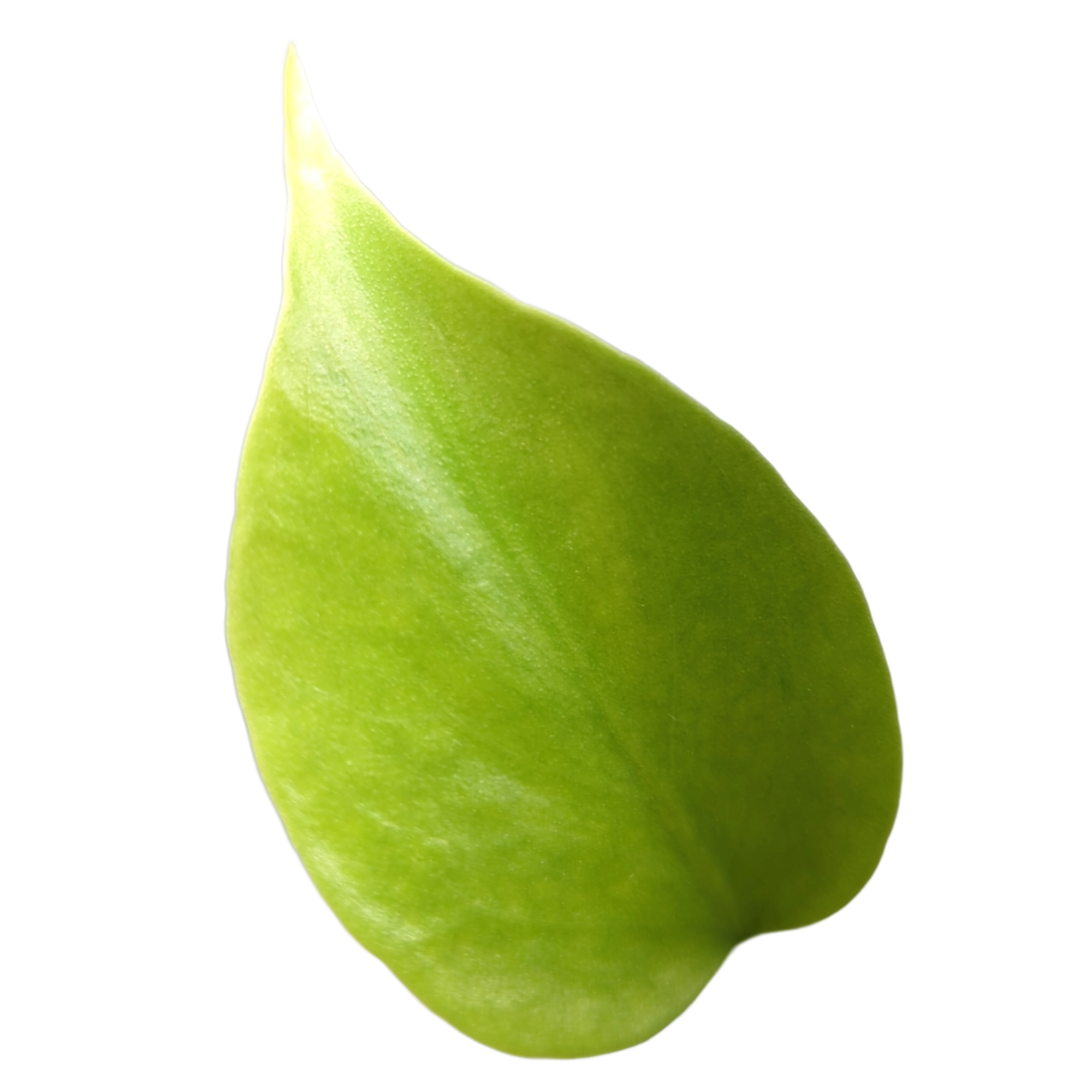
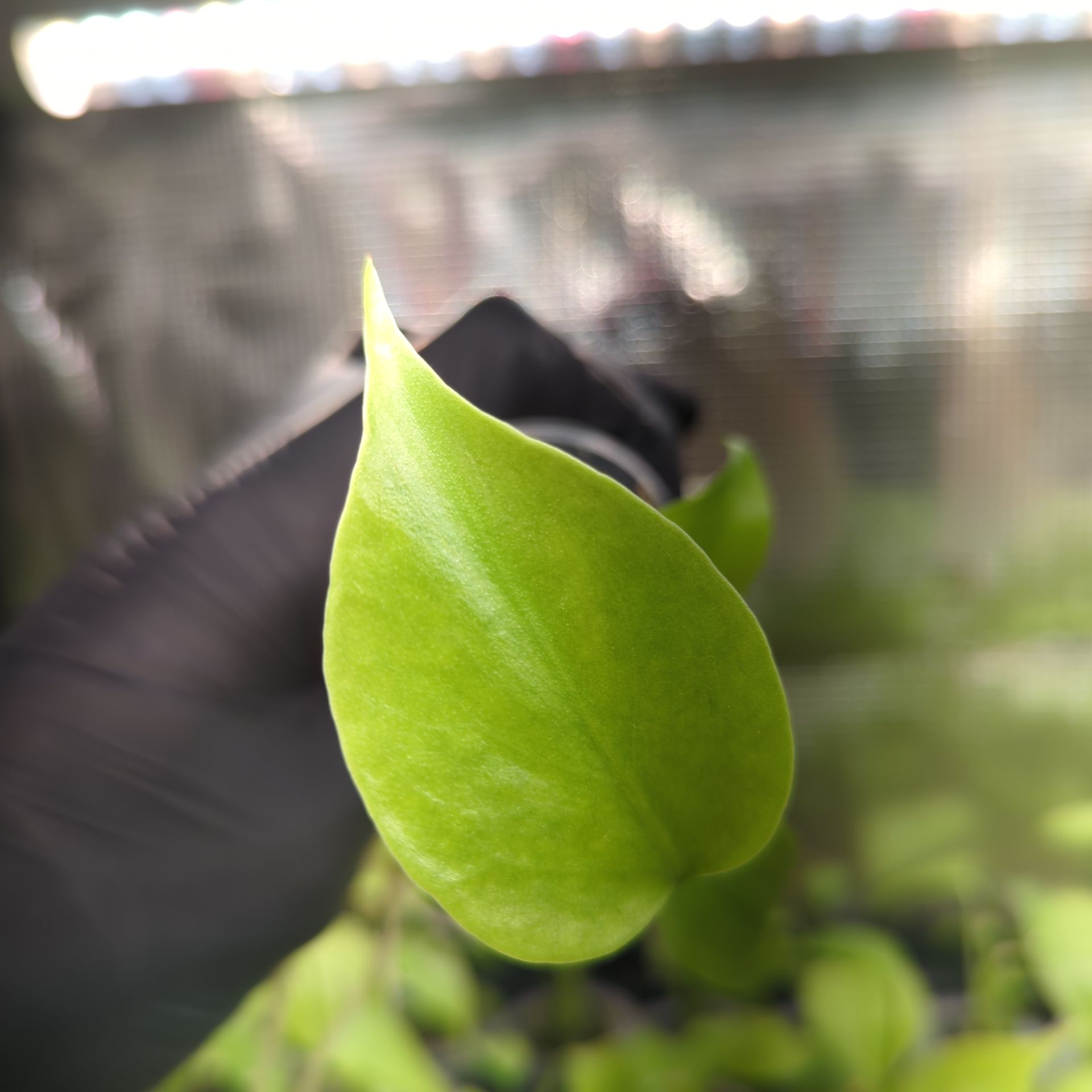
Patience and light! Young Monstera plants naturally have solid, heart-shaped leaves. The iconic splits only develop as the plant matures. To speed up the process, give it plenty of bright, indirect light.
What should I do with the long aerial roots?
Don't cut them! These roots are vital for support, water, and nutrient absorption. You can gently guide them back into the pot's soil, attach them to a moss pole, or simply let them hang for a wild, jungle look.
How often should I repot my Monstera?
A healthy Monstera typically needs repotting every 1-2 years, or when you see roots growing out of the drainage holes. Choose a new pot that is only slightly larger than the previous one.
Delivery time: 1 - 2 days, Shipping with Heatpack